
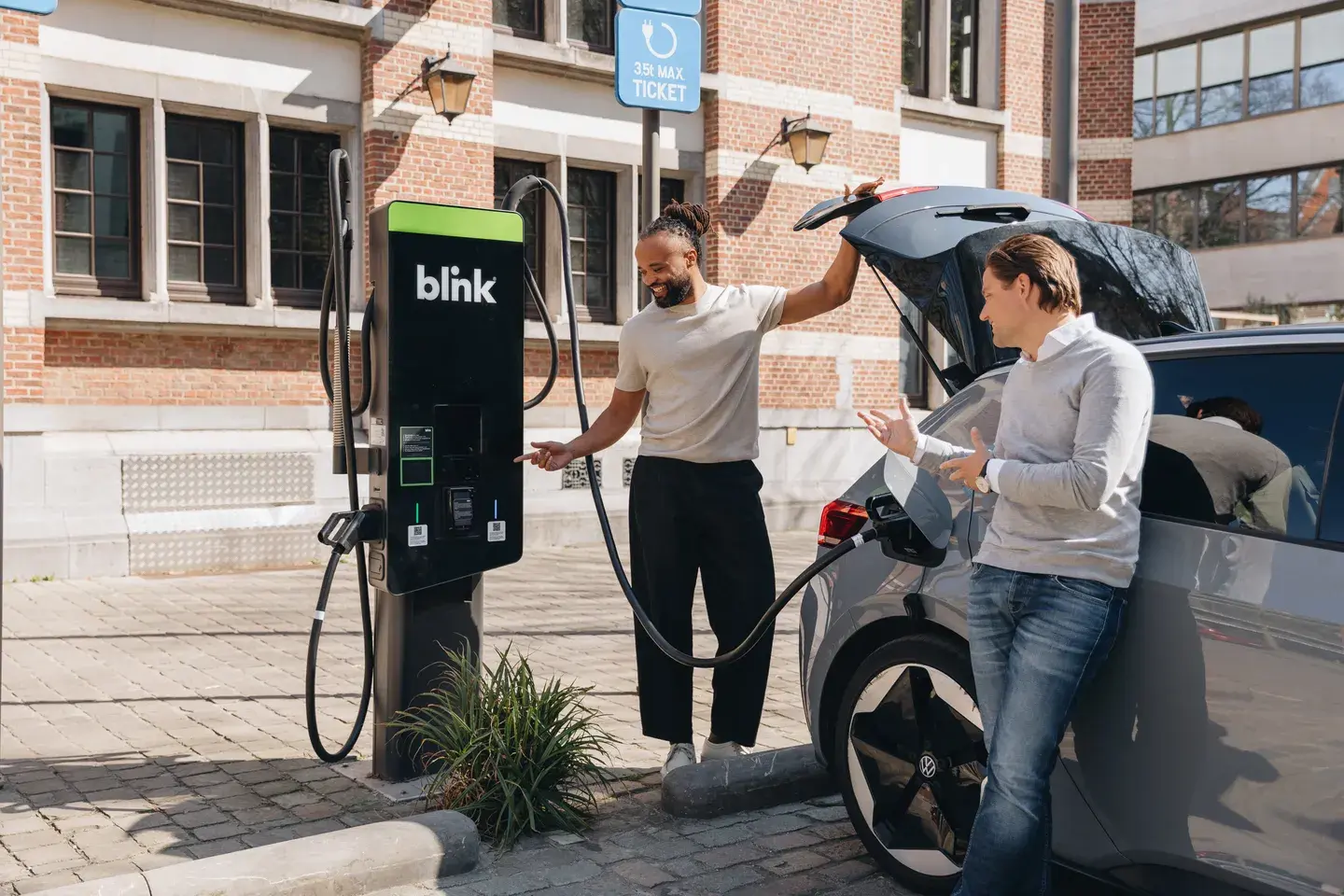
The crucial role of HOAs, SMEs and property developers in accelerating urban EV adoption
The transition to electric mobility is gaining momentum. Demand for charging points is increasing faster than cities can - and want to - install them in public space. At the same time, many cities are actively trying to reduce the number of cars on the streets. That may seem like a paradox, but it actually creates opportunities for HOAs, businesses and property developers.
Anthony Poschet, Head of Sales and Marketing at Blink Charging, sees that each stakeholder approaches this transition from a different perspective. HOAs are looking for clarity and affordability, property developers need scalable solutions, while SMEs mainly want simplicity in management. One thing, however, remains constant: charging solutions only work when they are integrated into how people live and work today, not when they are treated as standalone infrastructure. That nuance often determines the success of a project.
Parking pressure in city centers: a structural challenge
In many cities, public space is limited. Street parking leads to congestion, visual clutter and frustration among residents. Electric vehicles need charging points, but adding more chargers on sidewalks only adds pressure to the same public space and searching for available chargers can create additional traffic.
Many cities, including Antwerp, are moving toward a future where street parking is primarily reserved for residents, while visitors are encouraged or required to use underground or peripheral parking facilities. Within this framework, there is an urgent need for alternatives that ensure residents have smooth and convenient access to charging infrastructure.


