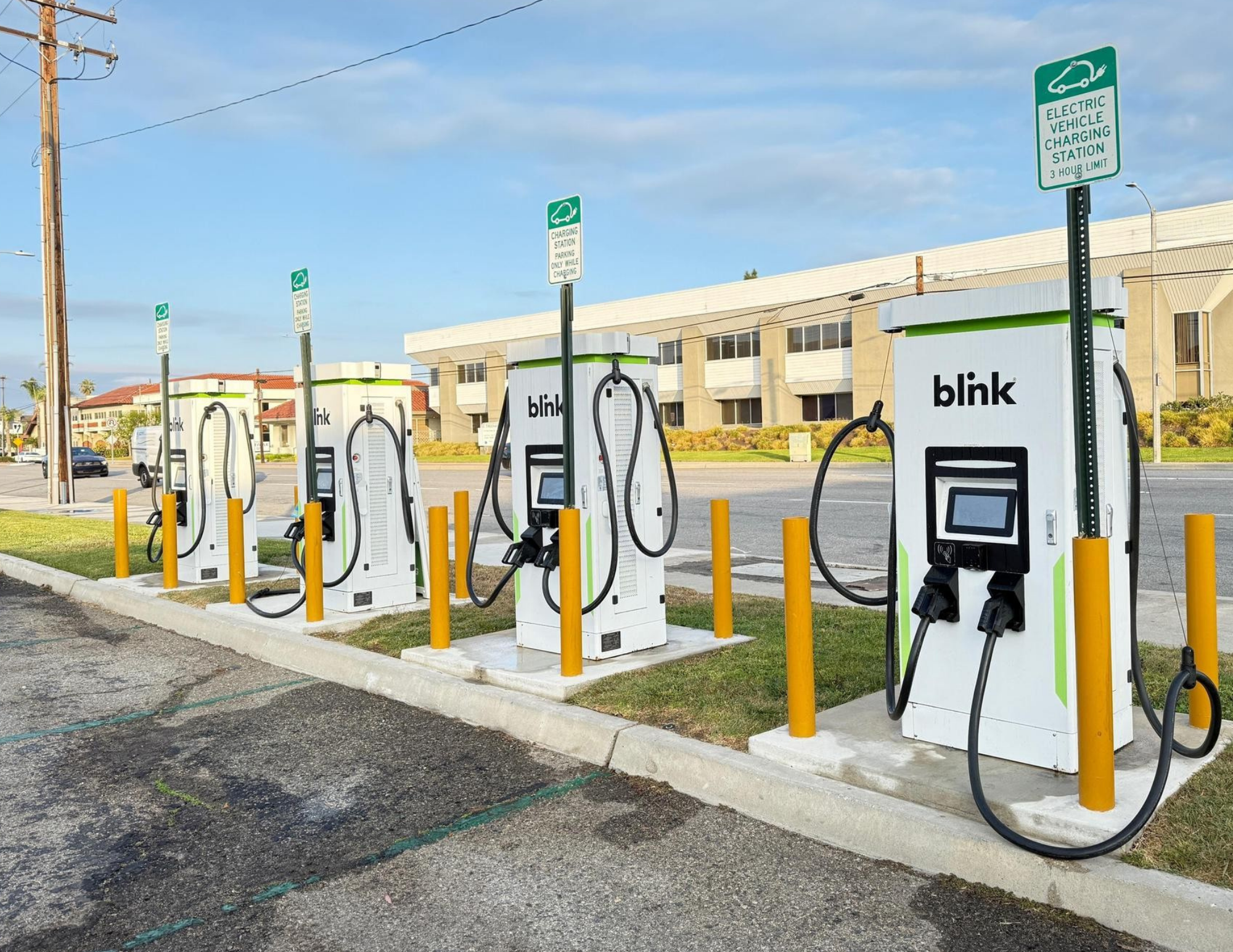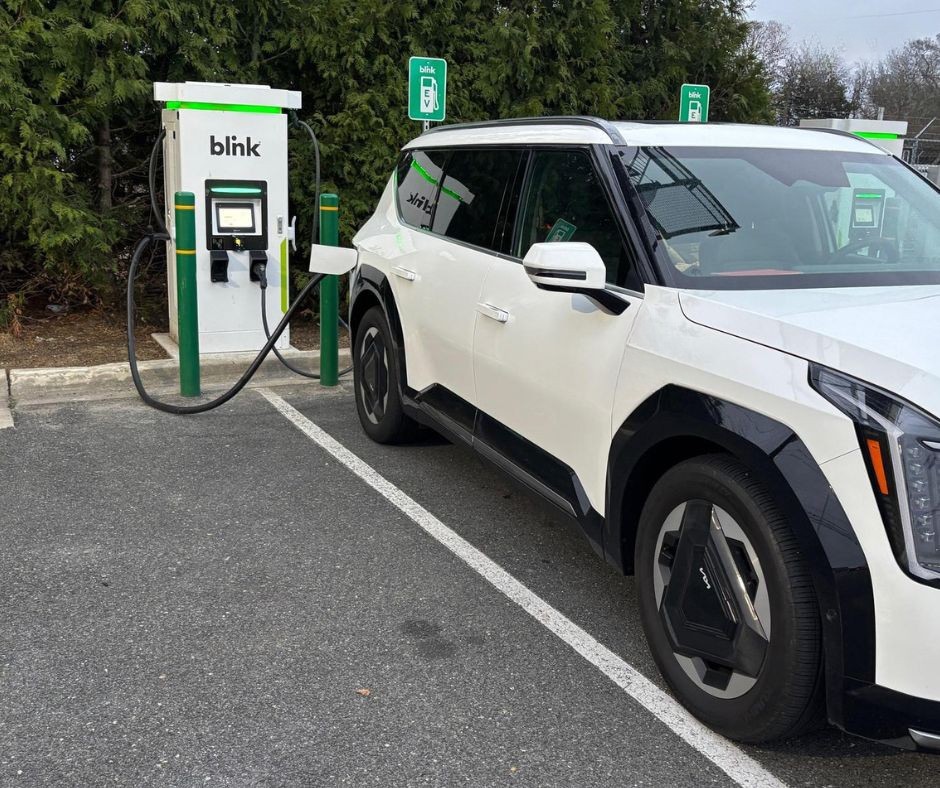
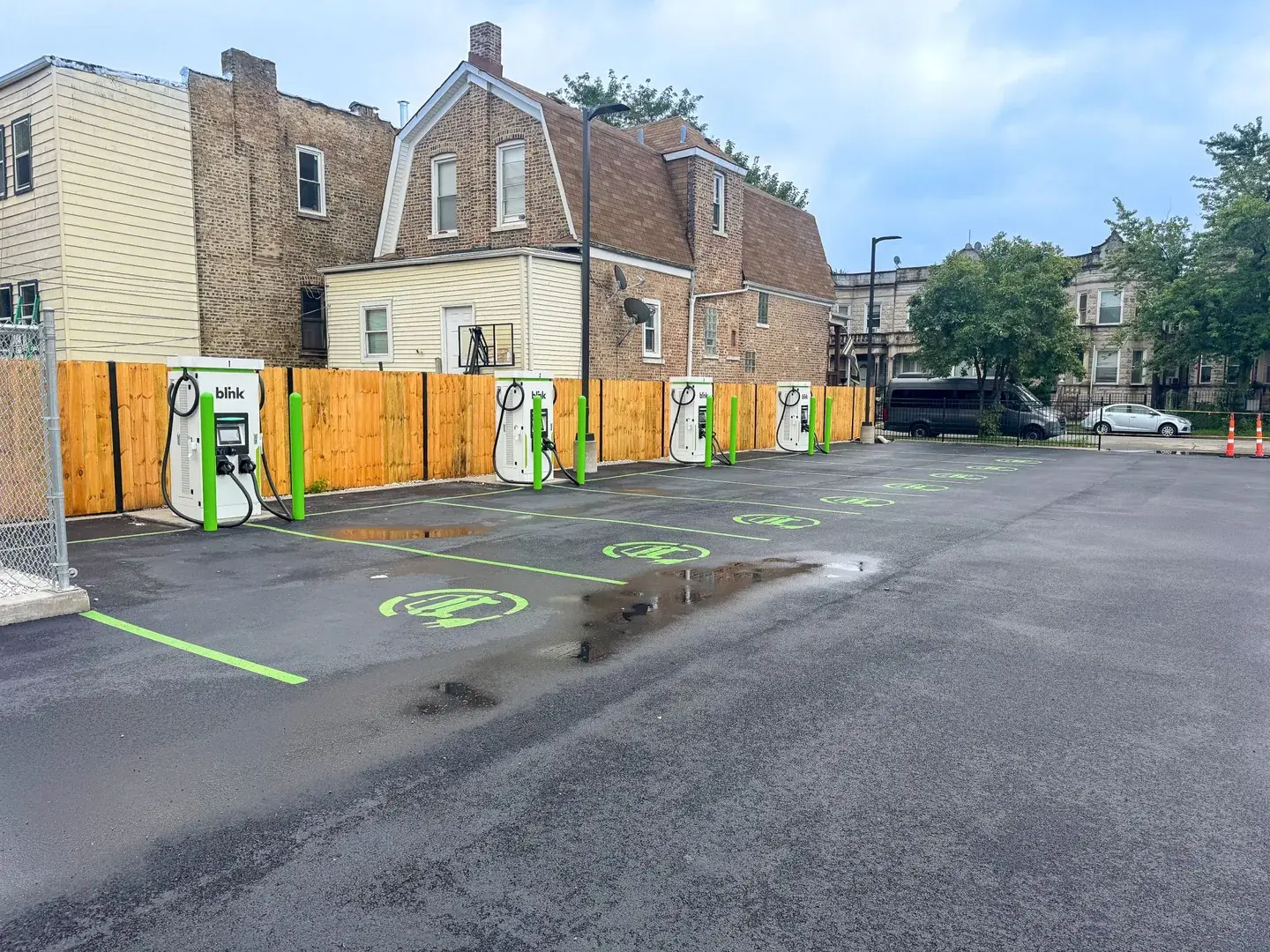
It’s no secret that one of the biggest hurdles for companies that want to install electric vehicle (EV) charging infrastructure anywhere in the United States is cost. This is especially true if your site requires electrical upgrades to host the charging stations you want. To help alleviate costs associated with EV charging infrastructure installation, property owners can utilize the numerous funding opportunities available in all states.
In this paper, we will look at how you can take advantage of EV charging grants and utility rebates to reduce project costs and accelerate deployment specifically in the U.S. Midwest and in the South.
We will discuss:
How grants and rebates work
What funding agencies look for in a strong applications
Funding application best practices
Differences between grants and utility rebates
Where to find funding opportunities and how Blink can help you pursue the right programs
Turnkey EV solutions from Blink
EV charging funding opportunities in:
Illinois
Indiana
Iowa
Michigan
Minnesota
Alabama
Florida
Georgia
South Carolina
How grants and rebates work
Third-party EV charging infrastructure funding mainly comes from state grants and utility rebates. (This does not count loans from banks or other financial institutions that you may require to get your project started.)
The funding is usually paid directly to the owner of the site where the EV charging infrastructure will be installed. What exactly the funding can be used for depends on the program. Sometimes it’s only meant for purchasing the EV charging equipment itself, sometimes it’s only meant to be used to pay for electrical infrastructure, sometimes it’s to be used for electrical upgrades a site needs, and sometimes it can be used for any and all purchases related to EV charging installation.
State administration
Even if available grant money is federal in nature, it will still be administered and distributed by the individual states.
Reimbursement-based
Funding structures vary by program. Some grants and rebates reimburse eligible costs after expenses are incurred, while others provide fixed incentives, make-ready support, or other forms of financial assistance. Award amounts and eligible costs can also vary significantly.
Before incorporating anticipated funding into your project budget, review the program's eligibility requirements, eligible expenses, cost-share requirements, payment schedule, and application deadlines.
If you are working with a bank or other financial institution to fund your project upfront, be sure to inform them that you are seeking reimbursement funding and then inform them if your project is accepted for that funding. This will help you secure that initial funding from the financial institution to start your project.
Most grants are reimbursement-based. This means that you will have to pay for the project upfront and then collect the reimbursement afterwards, which will be for a percentage of the total cost. Each grant and rebate is different, but 80% is a common average for the amount the grant provider will cover.
Funding windows
Funding windows are often one to three months. Decisions about who receives funding often take three to six months after the closing date. And many programs require post-installation reporting for three to seven years.
The amount of time a funding window is open is often dependent on demand. If a program that is supposed to be open for one to three months has all its available money earmarked after just one month, it may close the window early. And if it does not distribute all its available money by the three-month mark, it may extend deadlines.