
Fast charging creates more heat than Level 2 charging. Because heat contributes to battery degradation, many EV drivers worry it may shorten their battery’s lifespan.
Ultimately, battery health depends on controlling heat and how often you charge, which modern EVs handle automatically through active cooling systems and onboard battery monitoring technology.
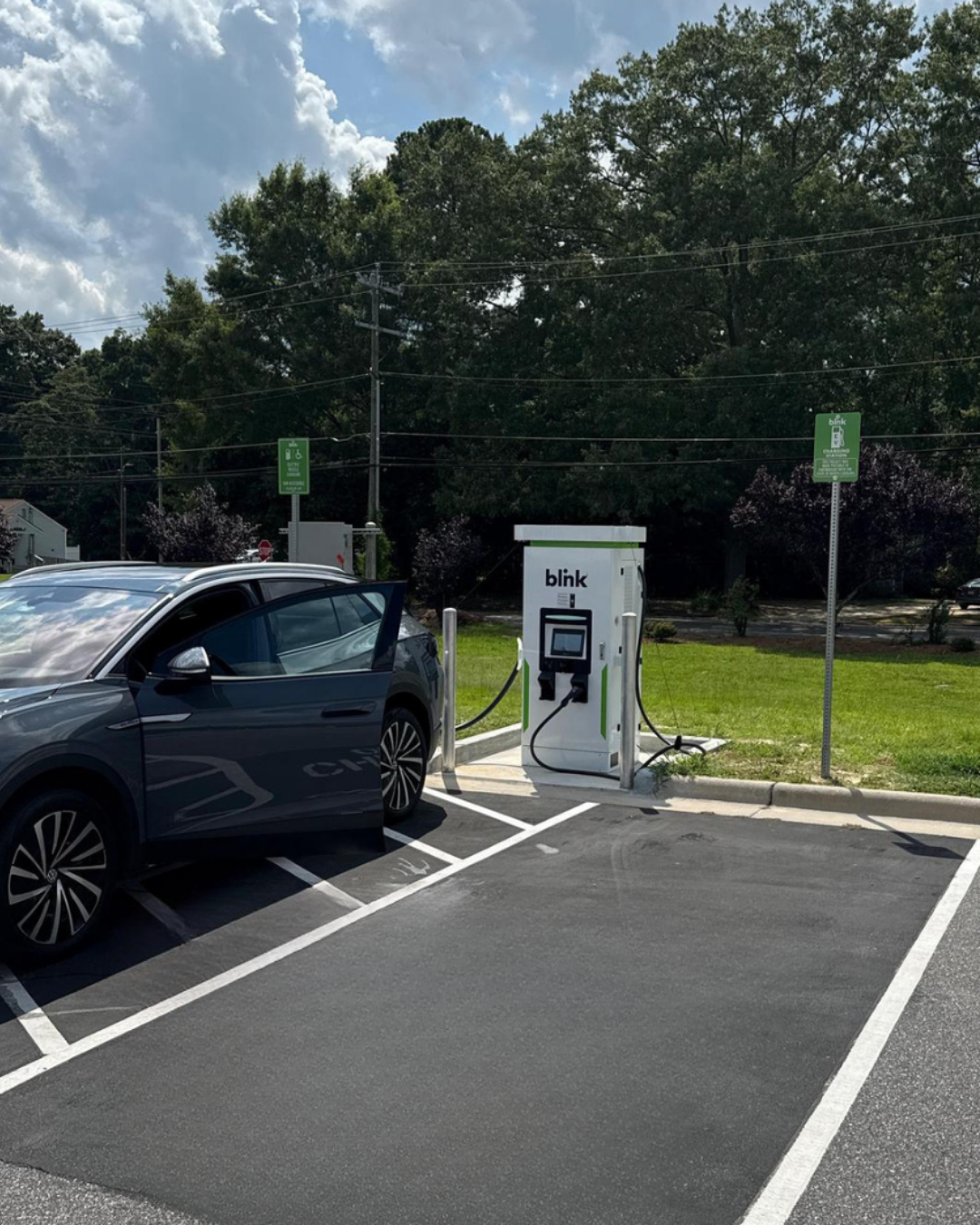
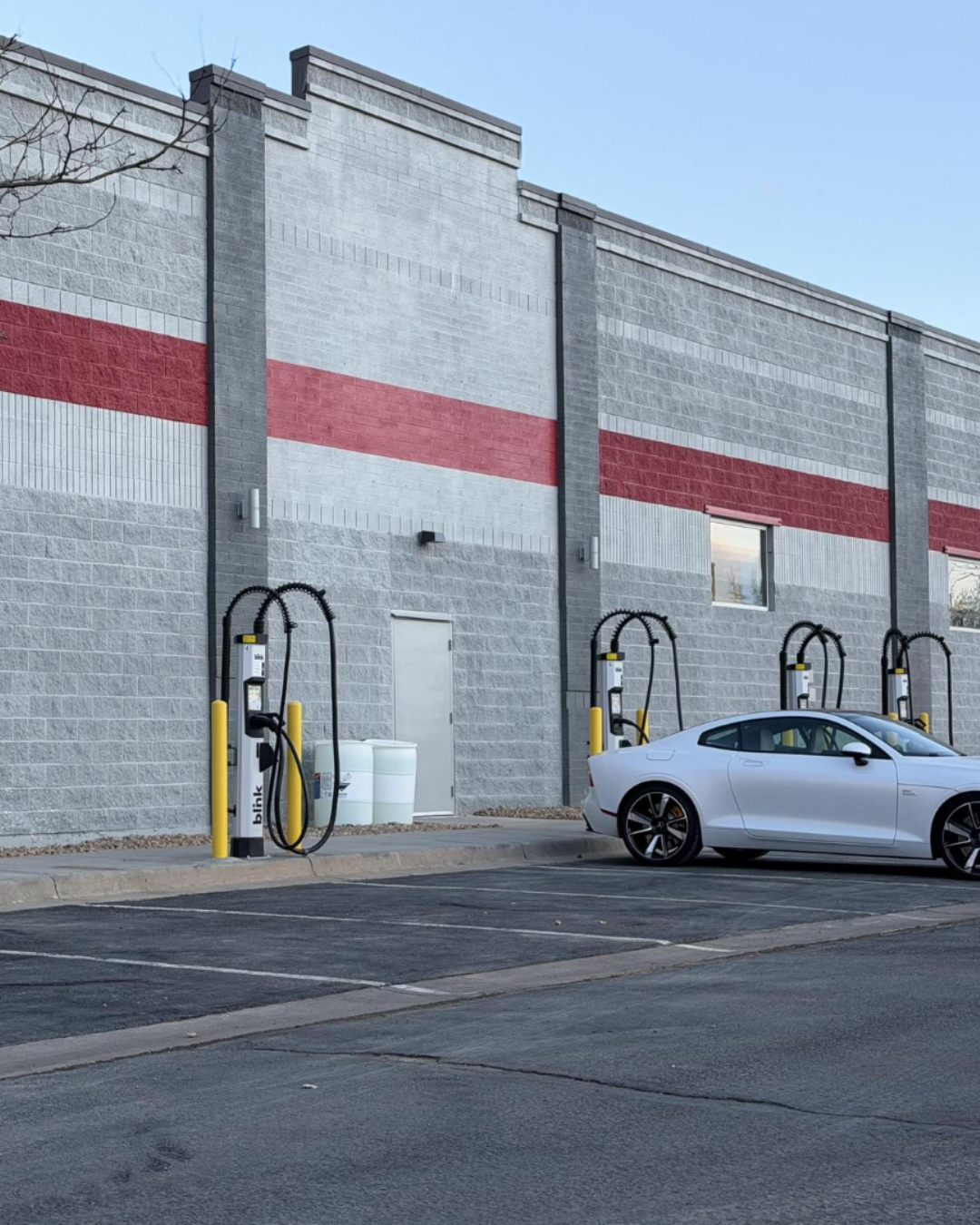
So, does a fast charge affect battery life? And is fast charging bad for EV battery life, especially during everyday use? This blog examines the science behind that common question, separating common myths from facts around fast charging. Along the way, we’ll explain how our DC fast chargers deliver both speed and battery protection.
How Fast Charging Works: The Basics of DC Fast Charging
DC fast charging sends power straight to your EV battery, skipping the onboard charger that Level 2 stations use. This delivers significantly faster charging, often 100-200 miles of range in 20-30 minutes.
Level 1 charging relies on a standard wall outlet and adds only 3-5 miles of range per hour, making it useful only for overnight emergencies. Meanwhile, Level 2 stations provide 12-80 miles of range per hour depending on the charger and your vehicle's capabilities. However, DC fast charging leaps past both methods by sending high-voltage electricity directly into the battery pack.
Your Battery Management System (BMS) supervises the entire process, tracking cell temperatures and voltage levels while telling the charger how much power the battery can safely accept at any given moment. These systems make DC fast charging a reliable option for road trips, busy days, and high-demand fleet operations.
Does Fast Charging Affect EV Battery Life? The Science Explained
Battery degradation is the gradual loss of capacity that all EV batteries experience over time, no matter how you charge them. Heat and high electrical current can stress battery cells, especially when batteries are very hot, very cold, or charged to 100% repeatedly. Fast charging generates more heat and uses higher electrical current than slower charging, which is why people associate it with battery wear.
The Battery Management System protects your battery by constantly measuring cell temperatures and voltage during charging. When the BMS detects conditions that could damage the battery, like high temperature or voltage getting too close to limits, it tells the charger to deliver less power.
Modern EVs also use cooling systems that actively cool the battery during charging sessions. These protections work together to allow fast charging without significant impact on battery health, often keeping wear rates similar to slower charging methods.
So, is fast charging bad for EV battery life when the battery is already at a high state of charge? In most cases, this concern comes from older charging technology rather than the advanced systems used in today’s vehicles.