Choosing the Right Charger Types
Charger specification should start with a clear understanding of who parks at the venue, for how long, and what they need from a charging session. Different destination environments call for different hardware choices.
AC Destination Charging
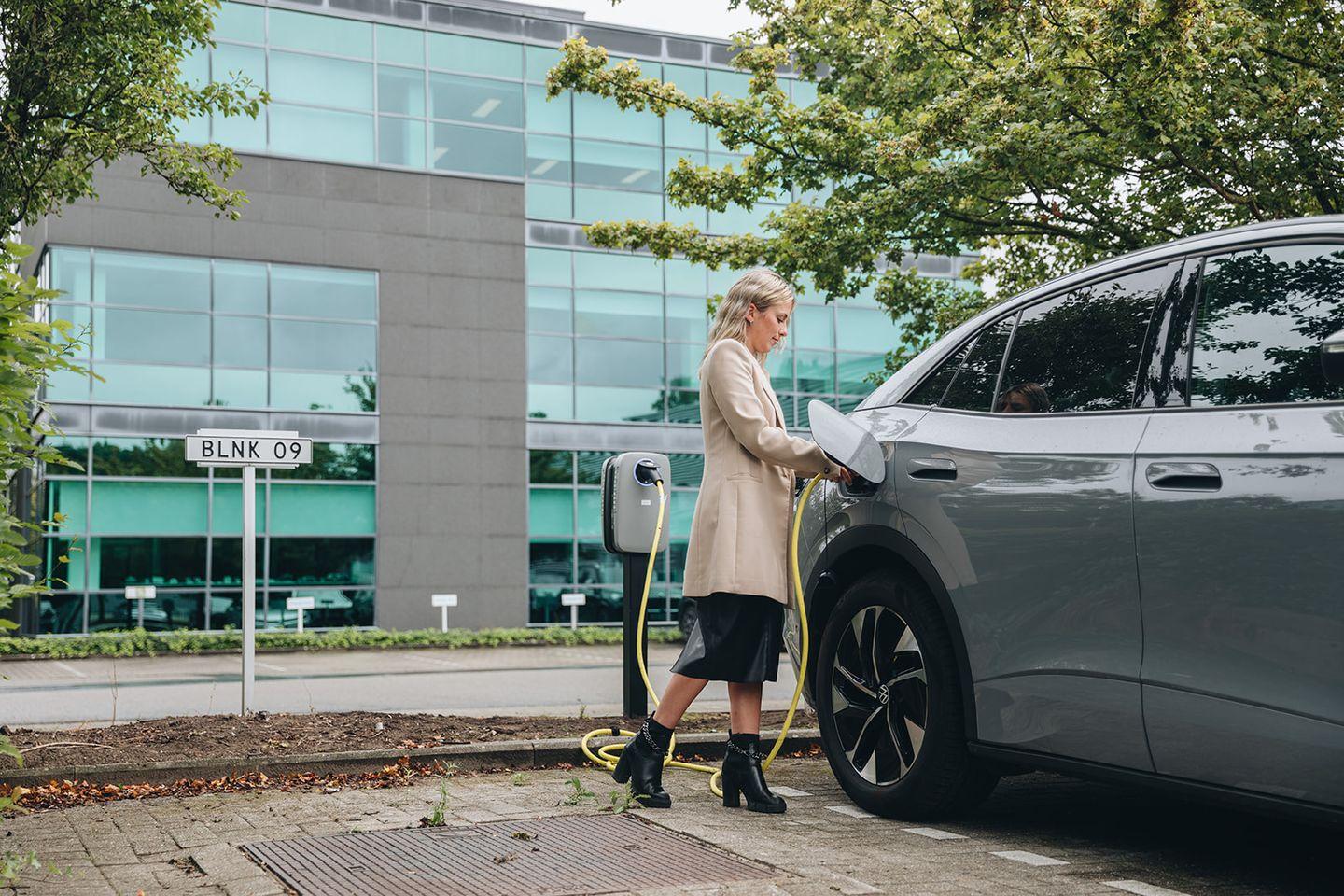
7kW AC charging is the foundation of almost every destination deployment and is appropriate for venues where the typical visit lasts 90 minutes or more. It is compatible with every EV on UK roads, straightforward to install on standard electrical supply, and delivers a genuinely useful charge across an average shopping visit.
22kW three-phase AC units are the right choice for venues with shorter average dwell profiles: quick-service restaurants, gyms, or express convenience formats where visits run to 45 minutes rather than two hours. The caveat is that the onboard charger in the vehicle determines the maximum AC intake speed. Not all EVs accept 22kW, so a 22kW charge point will deliver less than its rated output to vehicles with 7kW or 11kW onboard chargers. That said, 22kW units are fully backward compatible and are the more future-proof choice as fleet average onboard charger capacity increases.
Premium destination sites, flagship shopping centres, resort hotels, and high-end leisure complexes increasingly include a small number of DC rapid units alongside the AC fleet. Typically 50kW to 150kW, these serve time-pressured visitors and communicate a premium level of provision. They are not the volume workhorses of the installation, but they add a visible tier of quality and meet the needs of drivers who cannot stay long enough for AC charging to be useful. For the technical infrastructure that underpins these mixed deployments, see the guide to car park EV charging infrastructure.
Load Management & Smart Charging
A retail car park with 40 active 7kW charge points represents a simultaneous load of up to 280kW. Most sites do not have that capacity available from their existing grid connection, and a DNO upgrade to accommodate peak theoretical demand would be both slow and expensive.
Smart load management resolves this by distributing available power dynamically across active sessions. Rather than each charge point drawing its full rated output simultaneously, the system monitors real-time demand and allocates capacity proportionally. Every active vehicle charges; none draws more than the site can support in aggregate. The practical outcome is that destination sites can deploy significantly more charging stations than their raw grid capacity would suggest without requiring expensive supply upgrades.
Time-of-use pricing is a further benefit of a managed system. Sessions can be priced differently across the day, encouraging off-peak usage, smoothing demand curves, and giving operators a tool to influence charging behaviour in ways that improve operational efficiency.
Customer Experience & Branding
A destination charging installation that no one can find, struggles to use, or frequently encounters out of service is not an amenity. It is a liability. The experience quality of the charge point interaction reflects directly on the venue brand, and operators who treat charging as an afterthought rather than a curated touchpoint tend to get the outcomes that reflect that choice.
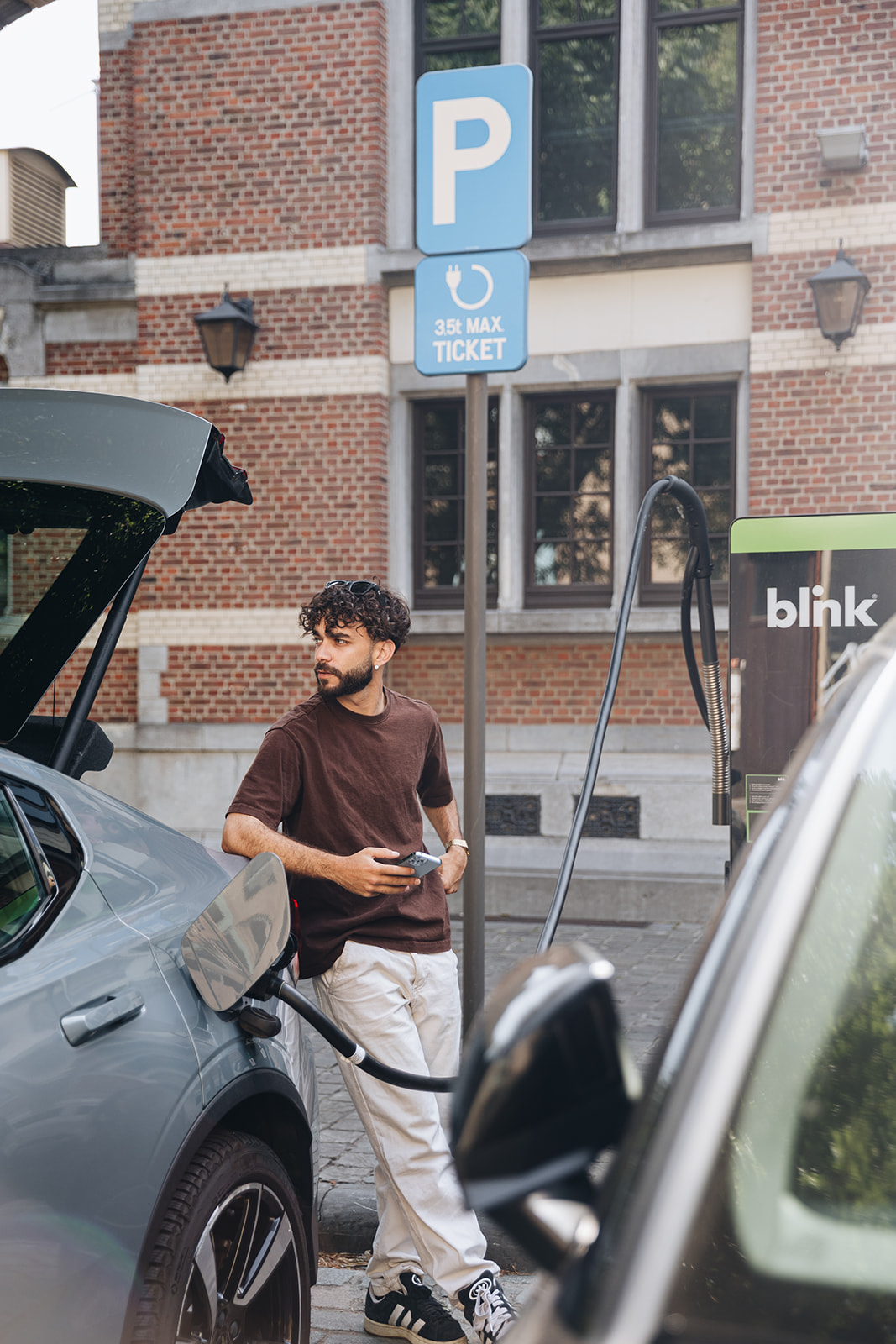
Wayfinding is the first test. Charge point bays should be signposted from car park entry points with clear, consistent signage. Drivers should be able to navigate to a charging bay on their first visit without circling or guesswork.
Payment and access must be friction-free. Contactless card payment, QR code, and RFID access all reduce the barriers to use. Requiring app download and registration as a precondition for charging creates a drop-off that erodes the value of the installation, particularly for first-time visitors to the venue.
Maintenance and uptime are non-negotiable. A charge point that is frequently out of service trains drivers not to rely on it, which defeats the purpose of having it. Remote monitoring, proactive fault response, and a clear service level from the infrastructure provider are essential operational requirements. Blink's commercial charging solutions include network monitoring and support as standard elements of the service.
Branding extends the venue's identity into the charging experience. Branded charge point fascias, integration with parking apps and loyalty programmes, and thoughtful bay design all contribute to an installation that feels like a deliberate choice rather than an obligation.
Operational Management Considerations
Managing a destination charging installation across its operational life requires processes and tools beyond the initial deployment. The operational questions that arise most frequently are:
Overstay management. A fully charged vehicle that remains connected to a charge point occupies a bay without drawing power, blocking the next driver who needs it. Session completion notifications pushed to the driver's phone, a grace period, and then an overstay fee are the standard operational toolkit. The policy needs to be clearly communicated at the bay and on any booking or access interface.
Revenue strategy. Some destination venues offer free charging as a customer acquisition and loyalty tool, absorbing the electricity cost as a marketing expense. Others price per kWh or per session to recover cost. The choice depends on competitive positioning, volume, and how the operator accounts for the indirect commercial return from dwell time. There is no single correct answer, but the decision should be made deliberately rather than by default.
Data and analytics. Session volume, utilisation rates, peak demand periods, and revenue per charge point are the metrics that tell operators whether their installation is performing and when expansion is warranted. Utilisation consistently above 35 to 40 percent across the charge point estate is generally the signal that additional capacity will pay for itself.
From Empty Bays to Destination Experiences
The shift from petrol to electric is rewriting the criteria by which retail and leisure venues are chosen, and destination EV charging sits at the centre of that shift. The venues that have it draw visits; those that do not will lose them to competitors who did the work earlier.
Blink works with retail and leisure operators from initial site assessment through charger selection, infrastructure design, installation, network configuration, and long-term operational support. The goal is always the same: an installation that works reliably for drivers, delivers commercial value to the venue, and is designed to grow as EV adoption accelerates.
To explore Blink's destination parking and retail charging solutions, visit our EV parking solutions or view the full commercial charging product range.