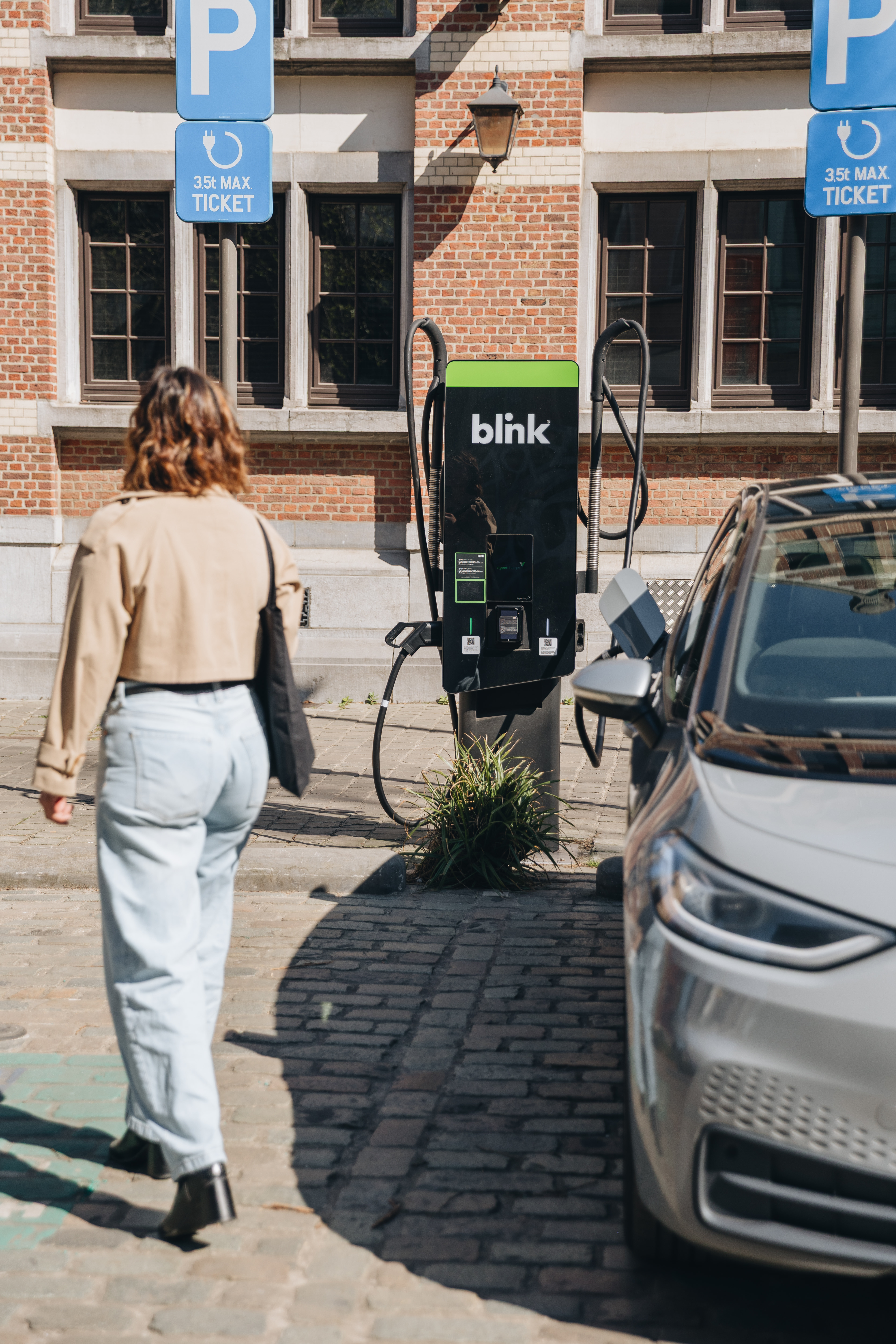

The UK public EV charging network grew by 28% in a single year, with over 116,000 public charge points now installed nationwide. That growth is accelerating, and parking facilities are at the centre of it. As the place where vehicles spend the most time stationary, car parks are structurally the most efficient location for electric vehicle charging infrastructure. The vehicle is already stopping. The only question is whether it leaves with a fuller battery than it arrived with.
For car park owners and operators, that question carries a direct commercial answer. EV charging for car parks is no longer a sustainability gesture. It is a revenue stream, a footfall driver, a differentiation tool and, increasingly, a compliance requirement. This guide covers everything you need to know to make a confident, well-structured decision: from charger type and grid capacity to pricing models, operational management and the long-term commercial case.
Why Parking Facilities Are Ideal for EV Charging
Of all the locations where EV charging infrastructure can be deployed, parking facilities offer the most naturally aligned relationship between vehicle behaviour and charging need. EV drivers prefer to charge while they are doing something else. A parked car is the ideal candidate.
Dwell time is the key variable. Unlike petrol forecourts designed for three-minute stops, parking facilities hold vehicles for anywhere between 30 minutes and several hours. That dwell time is the raw material of EV charging revenue. A 7kW AC charger running for two hours adds roughly 14kWh to a vehicle's battery. At £0.45/kWh, a typical mid-market public charging rate, that is £6.30 per session. Multiply that across a multi-bay installation running at meaningful utilisation and the numbers compound quickly.
Destination charging, the category that includes car parks, accounts for 49% of all publicly available charging devices in the UK, making it the single largest location category in the national network. This is not a coincidence. It reflects where EV drivers consistently find it most convenient and practical to charge. Operators who capture that demand early establish a structural advantage over those who delay.
Beyond revenue, parking facilities with EV charging infrastructure benefit from:
Higher footfall: EV drivers actively seek out charging locations when planning journeys and errands, using apps and maps that surface charge-point-equipped venues first.
Longer dwell times: a driver waiting for their vehicle to reach target charge spends more time in adjacent retail, hospitality or leisure facilities, increasing ancillary spend.
Improved asset value: properties with EV infrastructure are increasingly rated more favourably by valuers and investors as sustainability credentials become material to asset pricing.
Regulatory compliance: Building Regulations Part S requires EV-ready infrastructure in new and significantly renovated non-residential buildings with more than ten parking spaces, reflecting a clear direction of travel from the government.