
Skip to Main Content

Funding

Find EV charging grants & incentivesExplore programs

Breakthrough in EV Tech: Ford Announces New Mid-Size EV Pickup for 2027

Posted 03/27/2026

The electric vehicle industry has reached another milestone. Ford announced plans for a mid-size electric pickup truck that will launch in 2027, built on a brand-new, dedicated EV platform. This marks a major breakthrough in EV tech that rivals Volkswagen’s MEB platform in efficiency, design flexibility, and affordability. For drivers eager to see electric trucks become more accessible, this development represents a new EV battery technology breakthrough that will reshape the market.

With larger batteries, longer ranges, and faster charging capabilities coming to trucks like Ford’s, charging infrastructure must keep pace. Blink Charging is building the nationwide network needed to support this next wave of EVs.

The Evolution of EV Technology

EV technology has advanced faster in the past decade than in the fifty years before it. In 2013, most EVs barely reached 80 miles per charge, and charging options were limited. Today, average ranges exceed 270 miles, and U.S. drivers have access to more than 170,000 public chargers. Sales reflect this transformation, with only 120,000 EVs sold in 2014 compared to more than 1.5 million in 2024.

Electric vehicles now account for roughly 10% of new light-duty vehicle sales in the United States, and automakers including Tesla, Ford, General Motors, Hyundai, Volkswagen, and Rivian continue expanding their EV lineups across multiple vehicle categories.

U.S. EV sales also rose 7.3% year over year in 2024, setting a new annual sales record as more models entered the market.

Advances in battery range, charging speed, and infrastructure growth have set the stage for vehicles like Ford’s 2027 pickup. These models show how each EV battery technology breakthrough accelerates adoption and strengthens the EV ecosystem.

Ford’s Breakthrough in EV Tech

Ford’s mid-size EV pickup signals more than a new model. It represents a breakthrough in EV tech that could reshape how trucks are built and sold. Built on a universal EV platform, this vehicle is designed with efficiency, flexibility, and affordability in mind. Reports indicate that Ford is aiming for a $30,000 price point while still delivering the towing capacity and durability that drivers expect from a pickup. 

A “Model T Moment” for EVs

Industry observers are calling this Ford’s next “Model T moment.” Just as the original assembly line brought affordable cars to millions, the company’s new universal EV production system is designed to streamline manufacturing and cut costs. Volkswagen did something similar with its MEB platform, introduced a few years ago, which lowered costs and improved efficiency across multiple models. Ford is now applying this concept to the truck segment, aiming for affordability without compromise.

Rethinking the Development Process

Much of the engineering work is happening at Ford's EV Development Center in Long Beach, California. The team, which includes former Tesla talent, is rethinking traditional automaking processes. Designers, aerodynamicists, chassis engineers, and software experts work side by side to develop vehicles that are more efficient, modular, and affordable. This collaborative approach reduces complexity and shortens development cycles.
Performance Without Compromise

This context helps explain why Ford’s launch is not just another vehicle release. It is a new breakthrough that combines cost innovation with design and performance. Early reports suggest the truck will deliver acceleration comparable to the Mustang EcoBoost, proving that efficiency does not mean compromise.

For EV drivers, especially those interested in trucks, this means longer ranges, faster charging, and vehicles that compete head-to-head with gas-powered options on both performance and price.

How Breakthroughs in EV Tech are Reshaping Charging

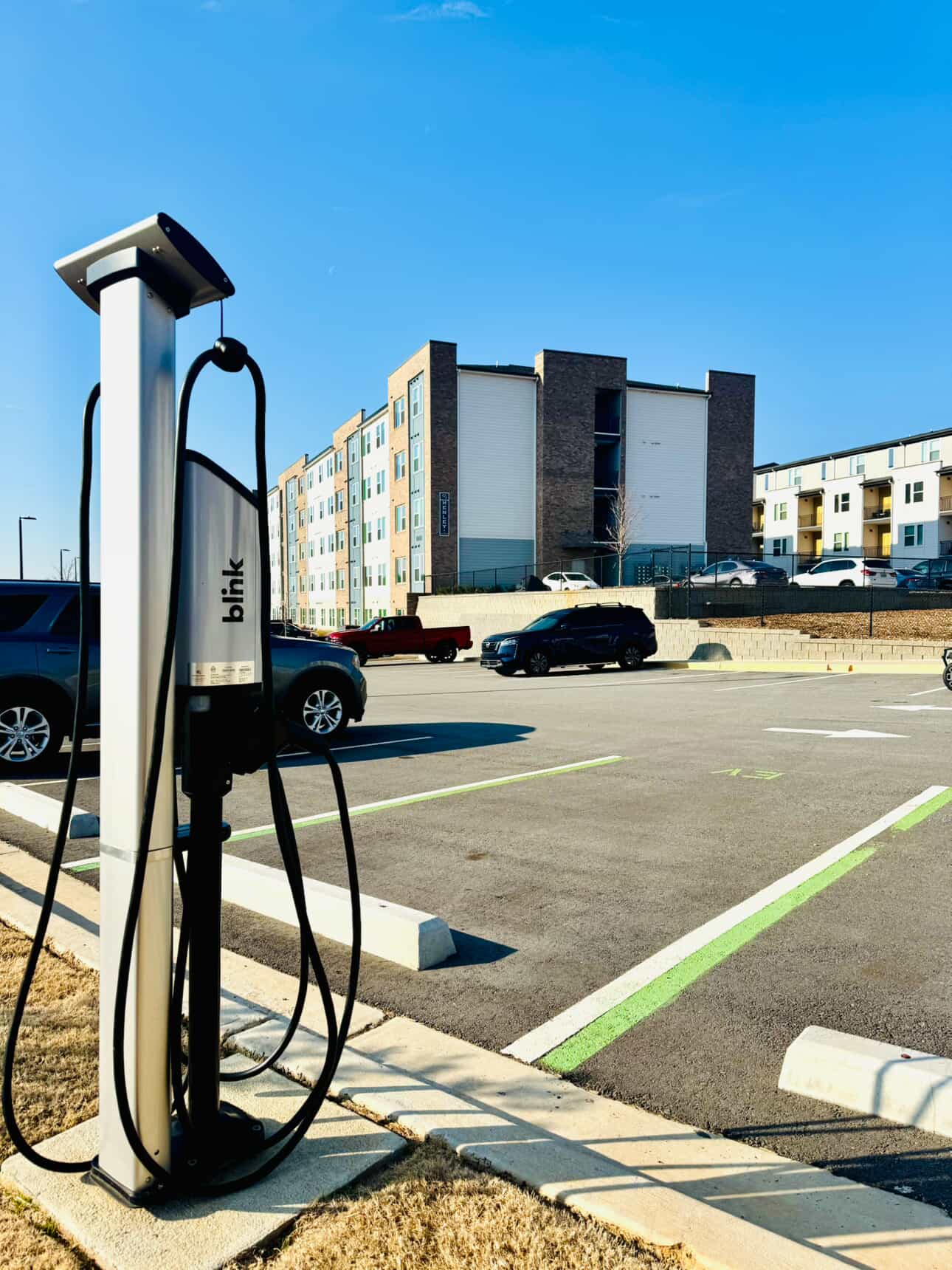
Innovations in vehicle platforms directly impact charging needs. Trucks built on dedicated EV platforms will require larger batteries and faster charging. Blink’s charging solutions are ready to meet those demands.

Advancements in Charging Speed

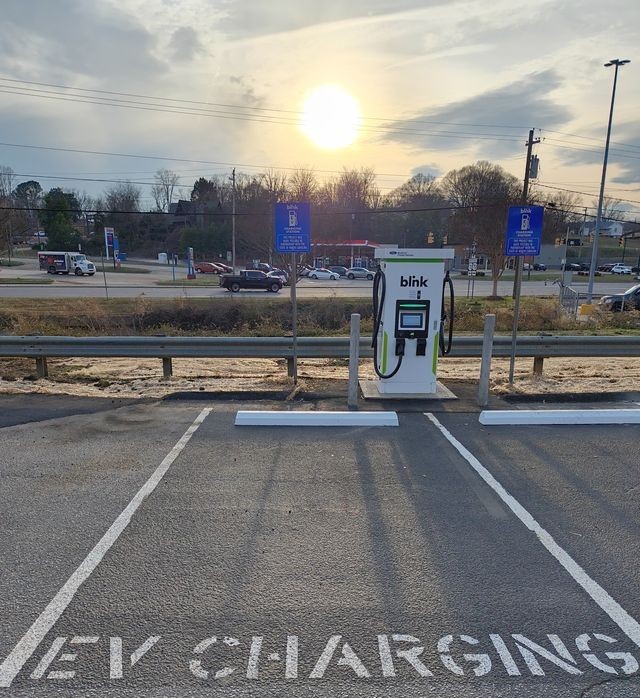
Level 2 chargers are the standard for residential and multifamily properties. They deliver reliable overnight charging that fits drivers’ daily routines. For vehicles with larger packs, like Ford’s upcoming pickup, DC fast charging becomes essential. Blink’s DCFC solutionsstations support high-power charging, with models capable of reaching 350 kW and beyondalready reach 350 to 500 kW. This reduces charging time to less than an hour and helps drivers get back on the road quickly. Public EV charging infrastructure continues to expand, with more than 40,000 new non-home chargers deployed in 2024 alone.

Smart and Connected Charging

Modern EV platforms benefit from intelligent charging. Blink’s network offers load management that balances demand across multiple vehicles without requiring costly electrical upgrades. Our mobile app shows real-time charger availability, while our monitoring software ensures stations stay reliable and easy to use.

Access to EV charging is also improving, with approximately 64% of Americans now living within two miles of a public charging station, highlighting the growing convenience of EV ownership.

Sustainability and Renewable Energy Integration

Clean energy integration strengthens the case for EV adoption. Blink partners with businesses and municipalities to add solar and storage to charging sites. These systems capture power during the day and supply it at night, creating charging hubs that are reliable, resilient, and aligned with climate goals.

Battery Innovations Driving EV Adoption

Solid-state batteries represent the next major EV battery technology breakthrough. By replacing liquid electrolytes with solid materials, these packs reduce weight, increase range, and allow faster charging. They also perform more consistently in extreme temperatures, an advantage for both fleets and individual drivers. According to IEEE Spectrum, solid-state designs can deliver higher energy density and improved safety compared to conventional lithium-ion batteries, making them a promising step forward for EV adoption.

As Ford introduces its 2027 EV pickup, solid-state technology will make ownership easier and adoption faster. Blink’s growing network of Level 2 and DC fast chargers ensures that infrastructure will be ready as these innovations reach the market.

Vehicle-to-Grid (V2G) and Energy Resilience

EV trucks hold large amounts of stored energy. Vehicle-to-grid (V2G) technology allows them to return power to homes, businesses, or the grid during peak demand or outages. For example, an electric school bus fleet can supply energy to a neighborhood during a storm.

Blink is preparing for V2G integration by developing charging systems that connect vehicles and communities. This strengthens local energy resilience and gives businesses and municipalities a clear path toward smarter energy management.

Why Breakthrough EV Tech Matters for Businesses and Communities

Breakthroughs like Ford’s upcoming mid-size EV pickup ripple far beyond the auto industry. They influence how businesses attract customers, how cities plan infrastructure, and how communities prepare for a more sustainable future. To understand the full impact, it helps to look at what these changes mean for both businesses and communities.

Benefits for Businesses

Ford’s new EV platform will accelerate adoption in the commercial sector. Retailers with Blink stations already see higher customer engagement and increased revenue, as EV drivers spend more time shopping while charging. Hotels attract more bookings when they offer overnight charging, and restaurants located near highways become destination stops for travelers with EVs. Public EV charging can also create new revenue opportunities through pay-per-use charging, allowing businesses to monetize charging sessions while increasing customer dwell time.

Workplace charging is also becoming a competitive advantage. Employers who install Blink stations support employees who drive EVs, boost retention, and make their offices more attractive to top talent. For multifamily properties and commercial real estate, EV charging helps attract and retain tenants who expect charging access where they live and work. 

Many utilities now offer incentives and partnership programs to support EV charging deployment, helping businesses offset installation costs and manage electricity demand more efficiently. Fleets that rely on rapid turnaround can use Blink’s DC fast chargers to keep vehicles on the road and revenue flowing.

Benefits for Communities

Municipalities that invest early in EV infrastructure gain long-term advantages. Blink stations support sustainability goals by reducing local emissions and improving air quality. They also help cities avoid costly retrofits later by preparing for widespread EV adoption now.

Communities that build out charging networks attract tourism and new businesses seeking sustainable locations. Property developers who integrate Blink solutions during construction can raise property values, increase tenant retention, and future-proof their investments. These benefits compound as EV adoption grows, making charging infrastructure a cornerstone of local economic development.

As vehicles like Ford’s 2027 pickup enter the market, these benefits for businesses and communities will only grow, making charging networks an essential part of the equation. Ford has committed $5 billion to its Louisville Assembly Complex and created 4,000 new jobs to bring the truck to market. That investment’s success depends on charging infrastructure scaling alongside it.

Blink’s Role in Accelerating EV Technology

With Ford preparing to launch its midsize EV pickup at around $30,000 in 2027, the milestone isn’t just about affordability. It’s about making EVs truly competitive with gas-powered trucks. That success, however, depends on charging infrastructure keeping pace with the demand these vehicles will create.

Blink’s growing network of Level 2 and DC fast chargers ensures that infrastructure will be ready as these innovations reach the market. For 20 years, we’ve designed, manufactured, and deployed charging stations across the United States and worldwide, supporting millions of charging sessions each year. From residential solutions to high-powered DC fast chargers for fleets, Blink adapts to the needs of businesses, municipalities, and property developers.

With Blink powering the infrastructure, every EV breakthrough becomes a reality for drivers, businesses, and communities. As EV adoption accelerates, Blink makes charging convenient, reliable, and sustainable. Request a custom quote to explore tailored solutions and shop our EV products to expand charging access today.


Do you drive electric? Download the Blink Charging app today to start charging with Blink.

Are you a business or government that wants to attract more EV drivers to your property or community? Contact Blink Charging today to speak with an EV charging expert.

Share this post