
Skip to Main Content

Funding

Find EV charging grants & incentivesExplore programs

Electrifying Municipal Fleets and Public Transit: A Practical Roadmap for State and Local Government Agencies Pt. 1

Posted 06/16/2026

Transitioning municipal and public transit fleets to electric fuel is a double dip of goodness for both the United States’ economy and the individual fleets that make the change. Altogether, the U.S. transportation sector accounts for approximately 30% of the country’s energy needs, but 70% of its petroleum consumption. This means there is a huge reliance on an energy source that must be imported from other countries. Switching to electric helps the U.S. economy because that energy source is largely domestic, meaning it helps support U.S. employment and innovation. 

Zooming in on the individual fleets themselves, it helps them save money on fuel and maintenance costs and gives them more control over their own fueling. This is all in addition to zero-emission vehicles having a huge positive impact on air quality in their communities, and also helping fleets reach emissions reduction mandates.

Understanding the Scope of Municipal and Transit Electrification

Virtually every kind of municipal fleet vehicle is going electric to take advantage of lower fuel costs, less routine maintenance needs, and better air quality. These include:  

  • School buses

  • Public buses and shuttles

  • Public works and service vehicles

  • Parks, utilities, and campus fleets

The key difference between transit fleets and light-/medium-duty municipal vehicles is their size. Battery Electric Buses (BEBs) can be categorized as either long- or extended-range or fast-charge depending on how large their battery packs are. 

Long-range or extended-range BEBs would be full-length transit buses with battery packs in the 250– 660 kWh range. These buses can drive for longer periods between charging. The smaller fast-charge BEBs have battery packs in the 50 – 250 kWh range that can be charged more frequently. This category usually includes electric school buses

Light- and medium-duty municipal EVs can include standard EVs like sedans, SUVs, pickup trucks, as well as specially-built vehicles on EV chassis that municipalities can custom order for specific purposes. Battery packs in these vehicles would likely range from 50 - 200 kWh.

Planning Depot Charging Infrastructure

One of the biggest benefits of electrifying a fleet is that you get more control over your fueling process thanks to EV charging infrastructure installation, which is a critical part of fleet electrification. 

When fleets have their own EV chargers, they get to choose when their vehicles charge. This means they can charge them primarily when electricity rates are lower during off-peak hours (usually evenings, nights, and weekends) and rely more on Level 2 charging, which is less taxing on batteries than fast charging.
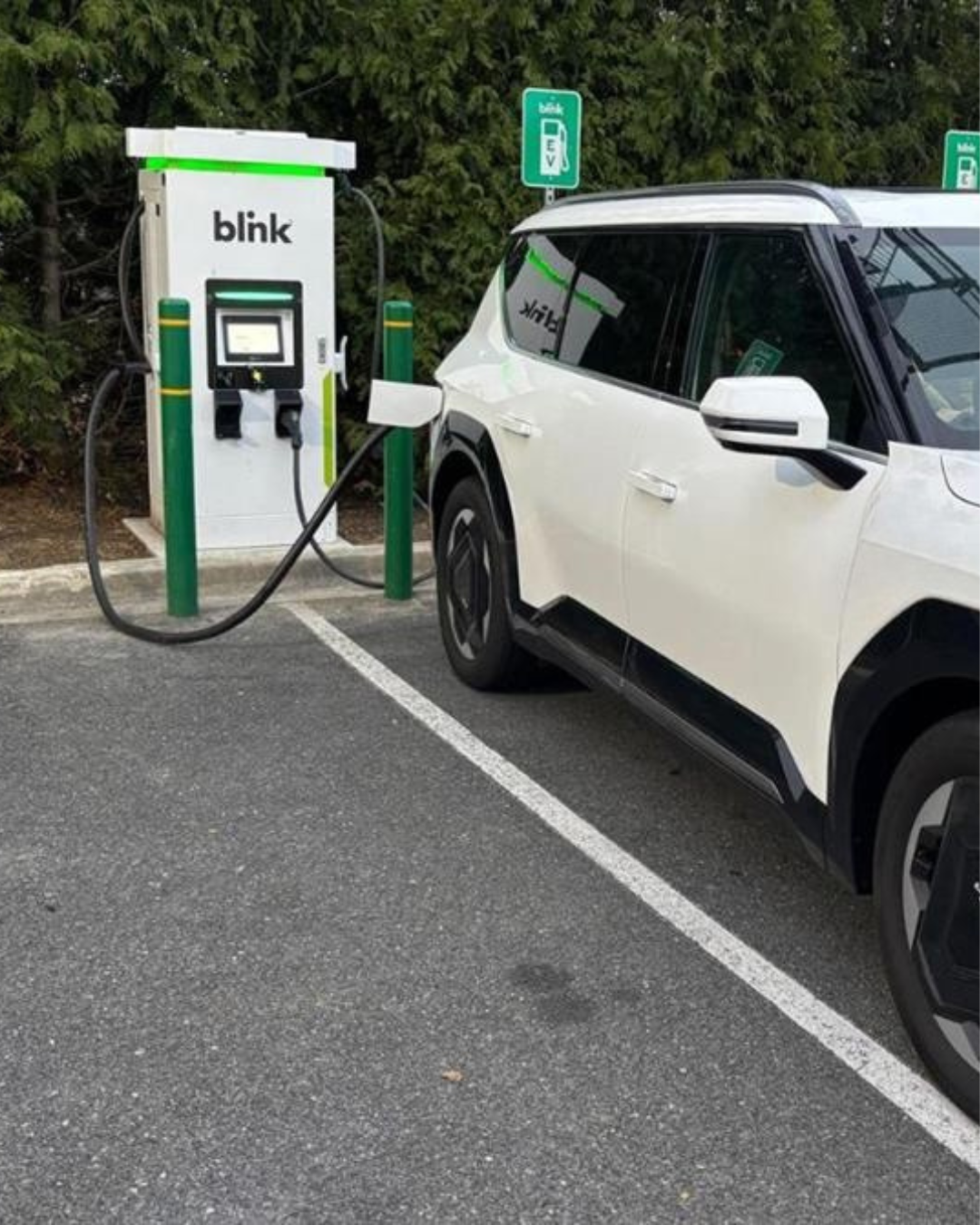
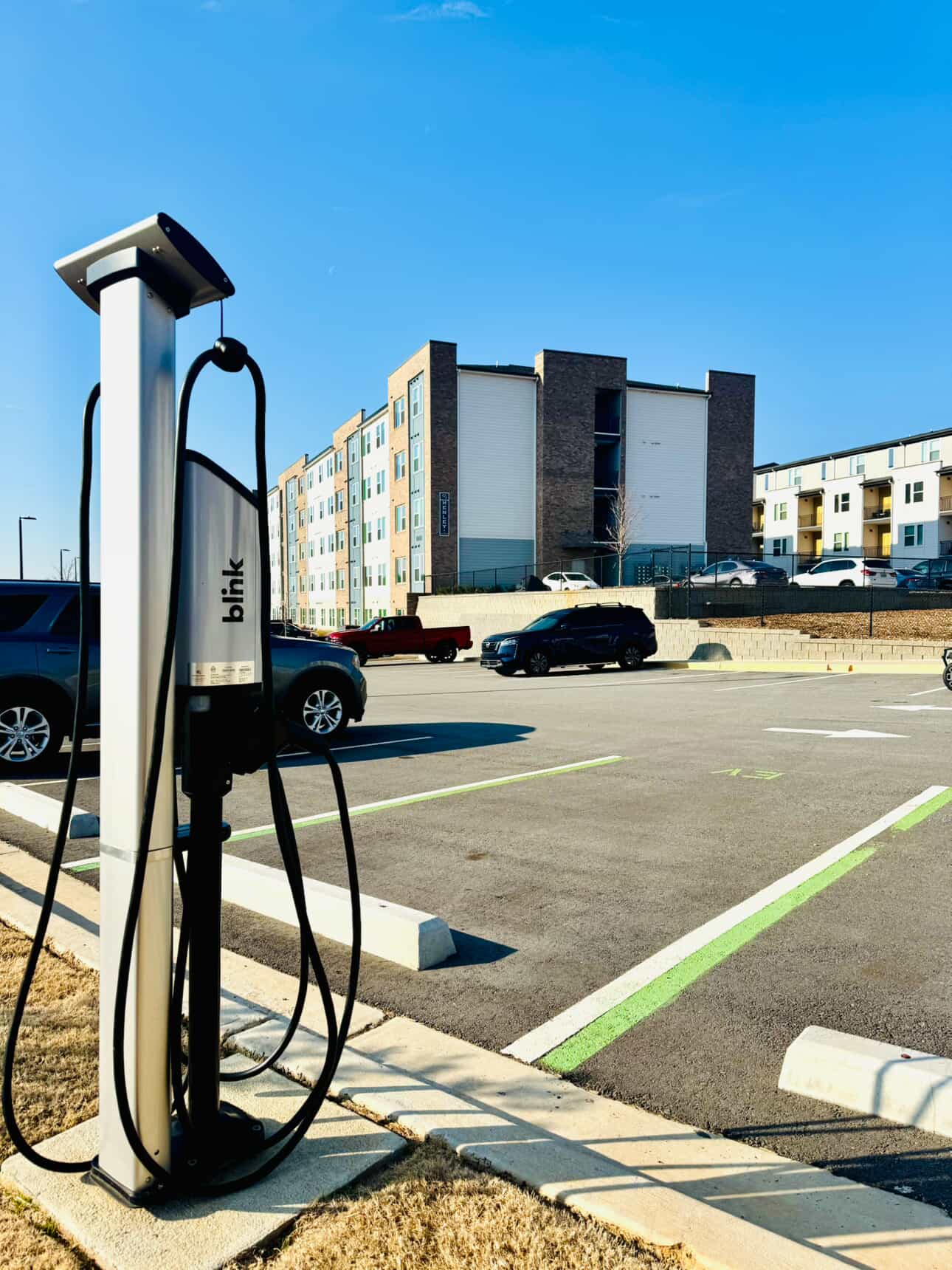
Level 2 vs. DC fast charging use cases

Because Direct Current Fast Chargers (DCFCs) bypass a vehicle’s on-board charger and feed direct current straight into an EV’s battery, they generate much more heat than slower and gentler commercial Level 2 EV chargers. Level 2 chargers feed alternating current (AC) into an EV’s on-board charger, which then converts it to DC and charges the battery. The heat generated by DCFCs means greater wear and tear on the vehicle’s battery, potentially shortening its lifespan. 

To save wear on batteries, Level 2 charging should primarily be used while DC fast charging is used only when necessary.

For this reason, it is recommended that fleets install Level 2 chargers to take care of the bulk of their charging and install a lower number of DCFCs to use when needed.

Relying more on Level 2 charging than DC fast charging also means there will be less strain on a company’s electrical capacity and less of a chance that the company will have to upgrade its electrical capacity immediately, which can potentially be cost-prohibitive.

Determining charger quantity, power levels, and layout

Because each fleet and each depot is different, there is no hard and fast rule about how many EV chargers to install, what the power levels should be, and where to install them. Blink knows each fleet client has their own distinct needs, which is why we talk with fleet operators and perform an EV infrastructure site assessment to ascertain what is required. We take into account: 

  • Budget

  • Number of electric fleet vehicles

  • Battery sizes of fleet EVs

  • Average duty cycles of fleet EVs

  • Current electrical capacity

  • Parking layout

  • Location of power sources

Once we have gathered this information and looked at your physical depot, we can work with you to draw up a plan that tells you the exact number of each type of charger you will need, what power level those should be, and where they should be placed (taking into account the various money-saving tricks you can use to keep costs down).

Electrical capacity

Electrical capacity is the maximum amount of stable electrical energy an electrical generator can supply at any given time. If that electrical capacity is surpassed (i.e. there is more electricity demand than electricity supply) it can lead to problems like blackouts. 

When talking about your fleet depot’s electrical capacity, we are talking about the maximum amount of power it can reliably and steadily draw from its various electricity sources. This would be your local electricity grid, but could also include independent sources like solar panels and any type of power storage units you may have, like Battery Energy Storage Systems (BESS).

Drawing too much power from the available electricity sources is the main reason why a fleet operator may need to undergo electrical upgrades, like having a dedicated transformer installed.

Usually, this is only required when installing DCFCs, as they draw significantly more power than Level 2 chargers. 

If you do require electrical upgrades to your site, you will have to coordinate with your utility provider to get permits and have the work performed. Blink can assist with this.

Load management

To help you manage your electricity needs when it comes to Level 2 chargers, you can use load management and smart charging. Load management is when you have multiple Level 2 chargers using the same circuit. The chargers will be able to take the available electricity on that circuit and divide it among the chargers in use so that each charger is able to charge the EV it is plugged into without overloading the circuit. 

Smart charging goes further and automatically manages your charging schedule to avoid electricity peaks at your depot. 

Used together, load management and smart charging can help you optimize your available electricity capacity so you can potentially avoid costly upgrades and delay EV charging infrastructure expansion until absolutely necessary. 

Future expansion

On the subject of expansion, getting parking spots EV-ready ahead of time will help you avoid higher future labor costs. You can install the conduits and wiring to a parking spot without actually installing a charger at that spot. Then, when you are ready to expand, you simply order a charger and connect it to the already prepared spot. You get to pay the current price for the infrastructure and labor, which are only likely to go up in the future. 

Next time

In part 2 of this blog post, we will explore:

  • Procurement and Compliance Considerations,

  • Implementing your EV charging plan, from installation to commissioning,

  • How to minimize downtime for fleets as you transition from internal combustion engine (ICE) vehicles to EVs,

  • Operations, maintenance, and long-term management of your fleet,

  • How to scale for future EV charging expansion, and

  • The lessons learned from past municipal and transit EV fleet adopters.

If you want to get started on your fleet electrification today, please contact Blink Charging to speak with a fleet electrification expert with any questions you have, or to get started on your fleet transition.


Share this post