
Skip to Main Content

ESG

Blink is committed to sustainability.Learn More

Future EVs: The Hottest New and Upcoming Electric Vehicles to Watch

Posted 02/18/2026

The electric vehicle space is having a moment, and it's only gaining momentum. From splashy unveilings at auto shows to viral headlines about EV breakthroughs, it feels like there’s a new development every week. Innovation is ramping up, media attention is intensifying, and consumers are more curious than ever about what’s next on the road.

So what’s driving all the buzz? 

A wave of future electric cars is causing the stir, promising longer range, faster charging, more innovative tech, and bolder design. Whether you’re a driver eyeing your next upgrade or a business prepping for electrification, these future EVs are worth watching.

Why Are More Drivers Thinking About Electric Vehicles?

Rising fuel costs, more affordable models, and better charging access are accelerating the shift to EVs. But the motivation goes beyond cost savings or climate concerns.

Today’s drivers are drawn to EVs for their performance, sleek styling, and smart tech. 

Both legacy automakers and startups are delivering EVs that are fun to drive, packed with features, and more attainable than ever. As charging infrastructure expands and range increases, EVs are fast becoming the practical choice for everyday driving.

Many drivers also appreciate the lower long-term maintenance of EVs compared to gas-powered cars. 

With fewer moving parts and no need for oil changes, EV ownership can translate to fewer shop visits and more time on the road. This practicality is helping shift perception from niche to mainstream.

What’s the Current State of the EV Market?

A strong and growing foundation is driving the electric vehicle landscape. In 2025, adoption continues to climb, infrastructure is expanding rapidly, and consumers are increasingly open to electric options.

According to Electrek’s list of 2024’s top-selling EVs, models like the Tesla Model Y, Ford Mustang Mach-E, and Hyundai Ioniq 5 are dominating U.S. sales. 

These vehicles combine strong design with competitive range and tech factors that are shaping the next generation of electric cars.

Meanwhile, the deployment of public chargers (especially Level 2 and DC fast charging (DCFC) stations) continues to expand across cities, highways, and commercial properties. Improved access is making EV ownership easier and helping expand adoption.

Performance and design are also evolving across categories. 

Compact EVs now offer premium interiors, while electric trucks boast rugged capabilities and long-range batteries. The result? More consumers are ready to go electric, and automakers are ready to meet that demand.
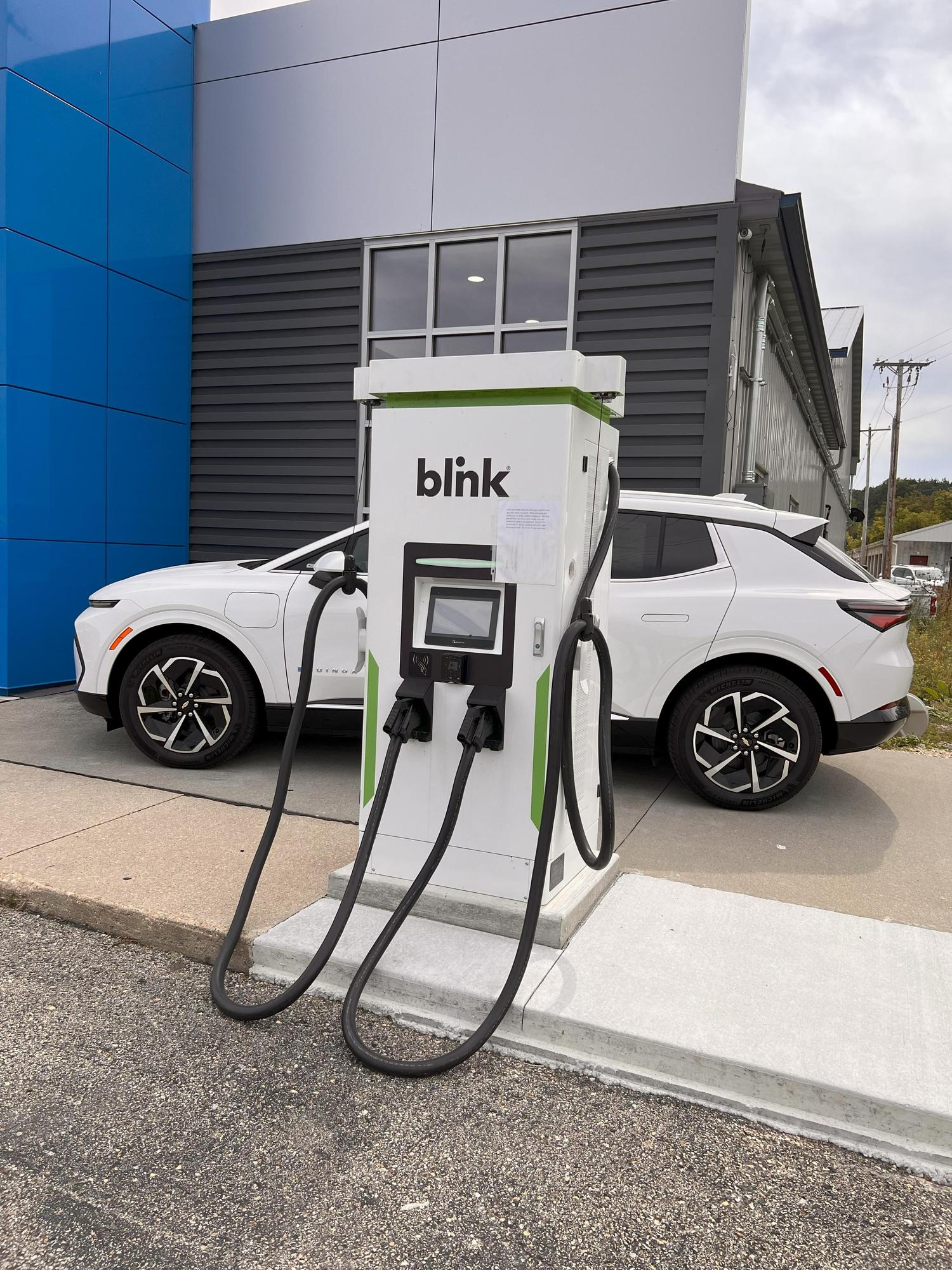
What New Electric Vehicles Are Coming Soon? (2025–2030)

From sleek sedans to powerful pickups, future EVs are set to hit the market in record numbers. With new electric vehicles coming out from both legacy automakers and ambitious newcomers, innovation is shifting into high gear.

Upcoming Electric Vehicles to Watch

These soon-to-launch electric vehicles are set to redefine expectations across every category, combining bold design, more innovative tech, and delivering the kind of performance that makes electric driving even more appealing.

  • 2026 Nissan Leaf: A next-gen reboot of one of the most recognized EVs on the market, the 2026 Leaf will feature an upgraded battery, sharper styling, and a new NACS (North American Charging Standard) plug for greater charging compatibility.

  • Chevy Equinox EV: GM is betting big on this affordable, family-friendly SUV with a 300-mile range and hands-free Super Cruise driver assistance.

  • Hyundai Ioniq 5 N: A high-performance take on the popular Ioniq 5, this variant adds racing-inspired design and nearly 600 horsepower.

  • Polestar 5: A sleek electric performance GT aimed at competing with premium models from Porsche and Tesla.

  • Ram 1500 REV: Ram’s all-electric pickup brings massive torque, extended range, and off-road capability to the segment.

Next-Gen Models from Legacy Brands

Legacy automakers are going all-in on electrification. 

With years of brand recognition and manufacturing power behind them, these companies are rolling out next-gen models that blend reliability with cutting-edge innovation.

  • Chevy Bolt Reboot: Back by popular demand, the redesigned Bolt will offer Ultium battery tech, faster charging, and improved range.

  • Toyota bZ4X Updates: Toyota is refining its electric strategy with better range and AWD capabilities.

  • Honda Prologue: Built in partnership with GM, this midsize SUV brings a new EV contender to the U.S. market.

Breakthroughs from EV Startups and Tech Giants

While established brands dominate today’s roads, bold EV startups and surprising tech entrants drive the next wave of innovation. 

These companies are reimagining what electric vehicles can look like with futuristic features, unconventional designs, and a focus on what’s next.

  • Lucid Gravity: A luxury SUV with cutting-edge efficiency and range.

  • Rivian R2: A smaller, more affordable SUV expanding Rivian’s adventure EV lineup.

Sony-Honda Afeela: This unexpected collaboration promises an entertainment-packed, autonomous-friendly EV.

What Features Will Define Future Electric Vehicles?

The next wave of EVs will stand out for more than their battery range or eye-catching design, as upcoming electric vehicles are setting new standards in charging capabilities, tech integration, and sustainability.

Extended Range and Battery Breakthroughs

Electric vehicles are breaking new ground, with innovative batteries pushing toward 400 to 500 miles of range in select premium models, with continued improvements focused on efficiency and faster charging rather than extreme range increases.

This shift is dramatically reducing range anxiety and making EVs more practical for longer commutes and adventures. Advances in battery technology, such as solid-state batteries and new charging electrolytes, are paving the way for lighter, safer, and longer-lasting performance. 

Charging Compatibility and Infrastructure

Future EVs will rely on Level 2 and DC fast chargers to support daily driving and long-distance travel. Level 2 charging is ideal for routine charging at workplaces, multifamily properties, and commercial destinations where drivers park for extended periods. For longer trips or quick top-ups, DC fast chargers provide the speed needed to keep drivers moving without long waits. 

Most automakers are now adopting the NACS (Tesla-style) plug, which enhances compatibility across public and private networks and simplifies the charging experience. This shift, along with expanding infrastructure, is making it easier for drivers to go electric with confidence. 

For example, a typical commuter might charge at a workplace or multifamily property during the day and rely on DC fast charging when on the road, ensuring flexibility without range anxiety.

Innovative Tech and Sustainability

Over-the-air updates, AI-assisted driving, and personalized vehicle settings are all poised to become the new standard, transforming how drivers interact with their cars. 

At the same time, automakers are embracing sustainability at every stage, from sourcing to recycling. Many are shifting toward recycled materials and low-impact manufacturing processes to reduce emissions and waste throughout the vehicle lifecycle. 

Leading brands like BMW, Ford, and GM are exploring circular battery recycling programs, while Polestar and Volvo are leveraging blockchain to ensure transparency and accountability in their sustainability efforts.

How Will Future EVs Impact Drivers and Businesses?

The next class of electric cars brings significant benefits as well as key considerations for both consumers and businesses. It’s no longer just about choosing a cool new ride. It’s about planning for a smarter, more sustainable way to move.

For Drivers: Choosing Your Next Future Electric Car

Factors like range, charging speed, and resale value are playing a bigger role in buyer decisions. 

With more models hitting the market, from sporty sedans to spacious family SUVs, it's becoming easier than ever for drivers to find an electric vehicle that fits their lifestyle, budget, and performance preferences.

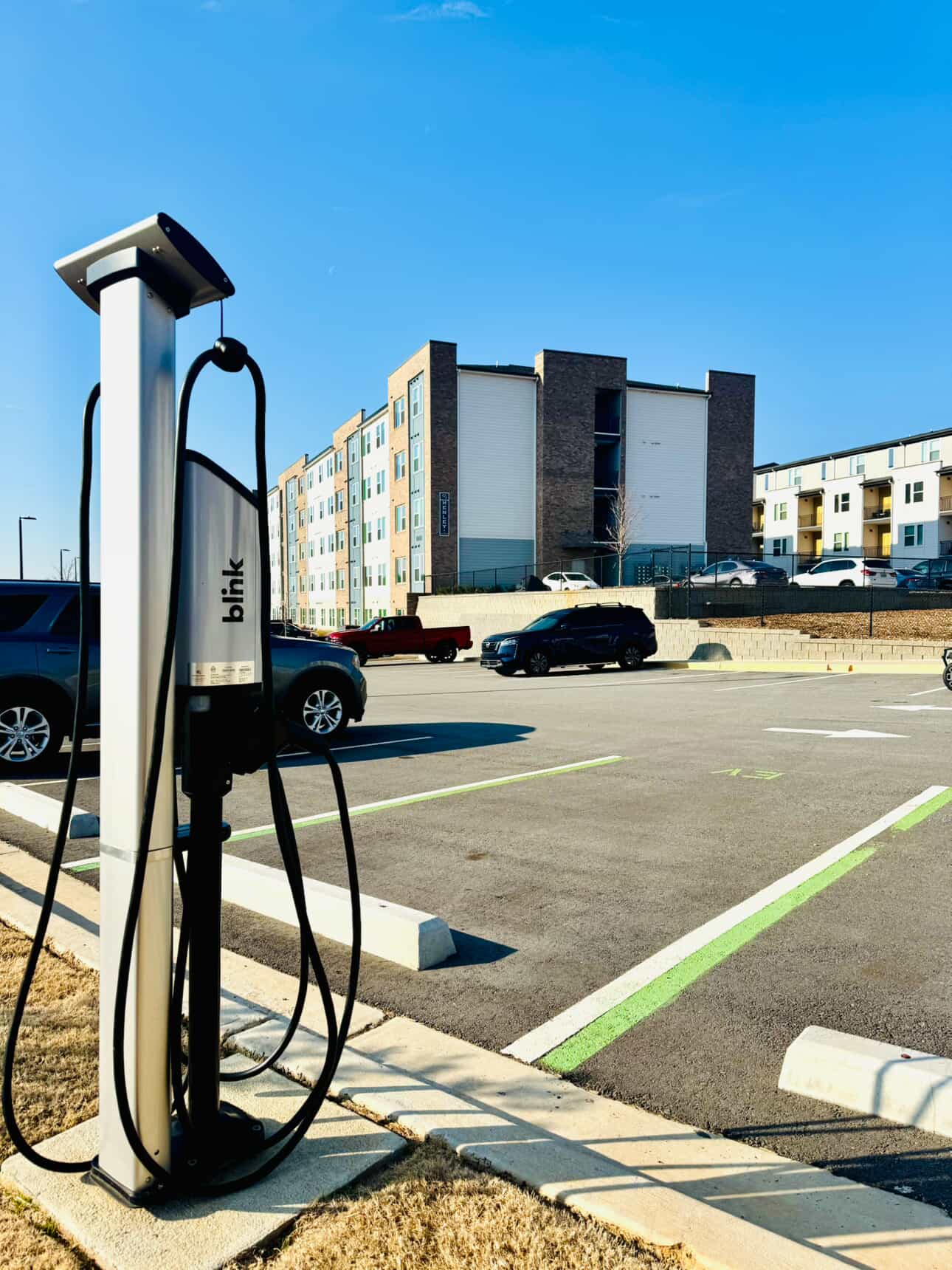
And, as EV adoption grows, drivers are looking for convenient charging access where they live. Blink’s multifamily charging solutions make it easier for apartment and condo communities to provide convenient, on-site EV charging for residents.

For Businesses: Preparing for the Next Wave of EV Adoption

Businesses are embracing electrification to reduce fuel and maintenance costs, support sustainability goals, and stay competitive. 

Fleets are making the switch to electric, while employers are installing charging stations to attract and retain top talent. Meanwhile, municipalities and property managers are investing in EV infrastructure to meet growing public demand and position their properties for long-term value.

Planning ahead with smart charging systems allows businesses to align with energy goals and support the next generation of transportation. Blink’s commercial EV charging products make it easier to get started.

Blink Powers the Road Ahead for EVs

Future EVs are coming fast, and Blink is helping drivers and businesses stay one step ahead. 

With a nationwide network of multifamily, workplace, and public charging solutions, Blink is building the infrastructure that powers upcoming EVs, from driveway to destination. We support open standards, intuitive tech, and seamless charging across every touchpoint.

Ready to electrify what’s next? Get in touch with Blink to explore tailored EV charging solutions for your business, fleet, or property.


Do you drive electric? Download the Blink Charging app today to start charging with Blink.

Are you a business or government that wants to attract more EV drivers to your property or community? Contact Blink Charging today to speak with an EV charging expert.

Share this post