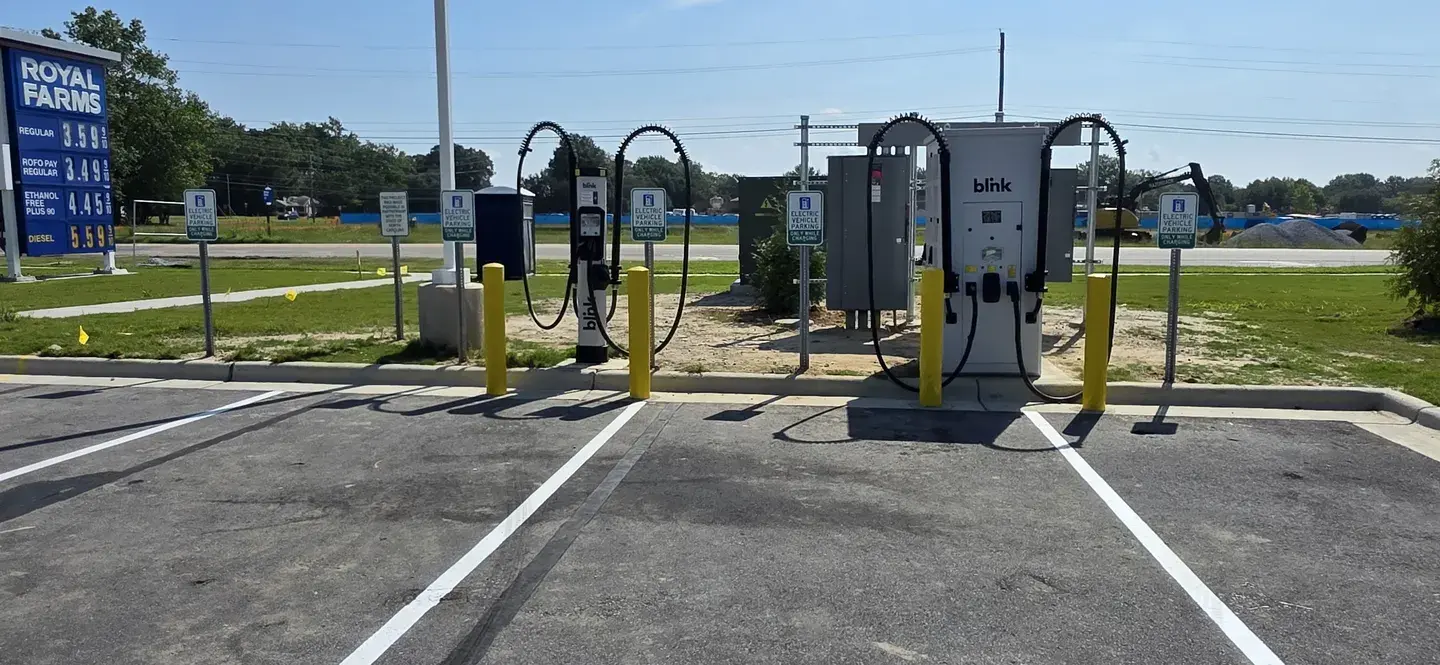
Installing electric vehicle (EV) charging infrastructure on your commercial property requires careful planning. Even if you just want a couple of Level 2 (L2) chargers, there is still a lot to prepare before you go ahead with your project. And if you want to install Direct Current Fast Chargers (DCFCs), the planning increases significantly.
A big portion of that planning comes in the form of budgeting and procuring funding for your EV charging project. This is why it is so important to start your budgeting early. If you are thinking about installing EV charging infrastructure on your premises in 2027, you should do your research now and include it in your capital plans for the year to ensure it gets done and you are fully prepared for the amount of time, effort, and capital that it will take.
EV charging cost categories
EV charging installation can be broken down into cost categories to help you figure out exactly what the budget is going to be put toward.
The categories include:
design,
Engineering,
utility coordination/cost,
hardware,
installation,
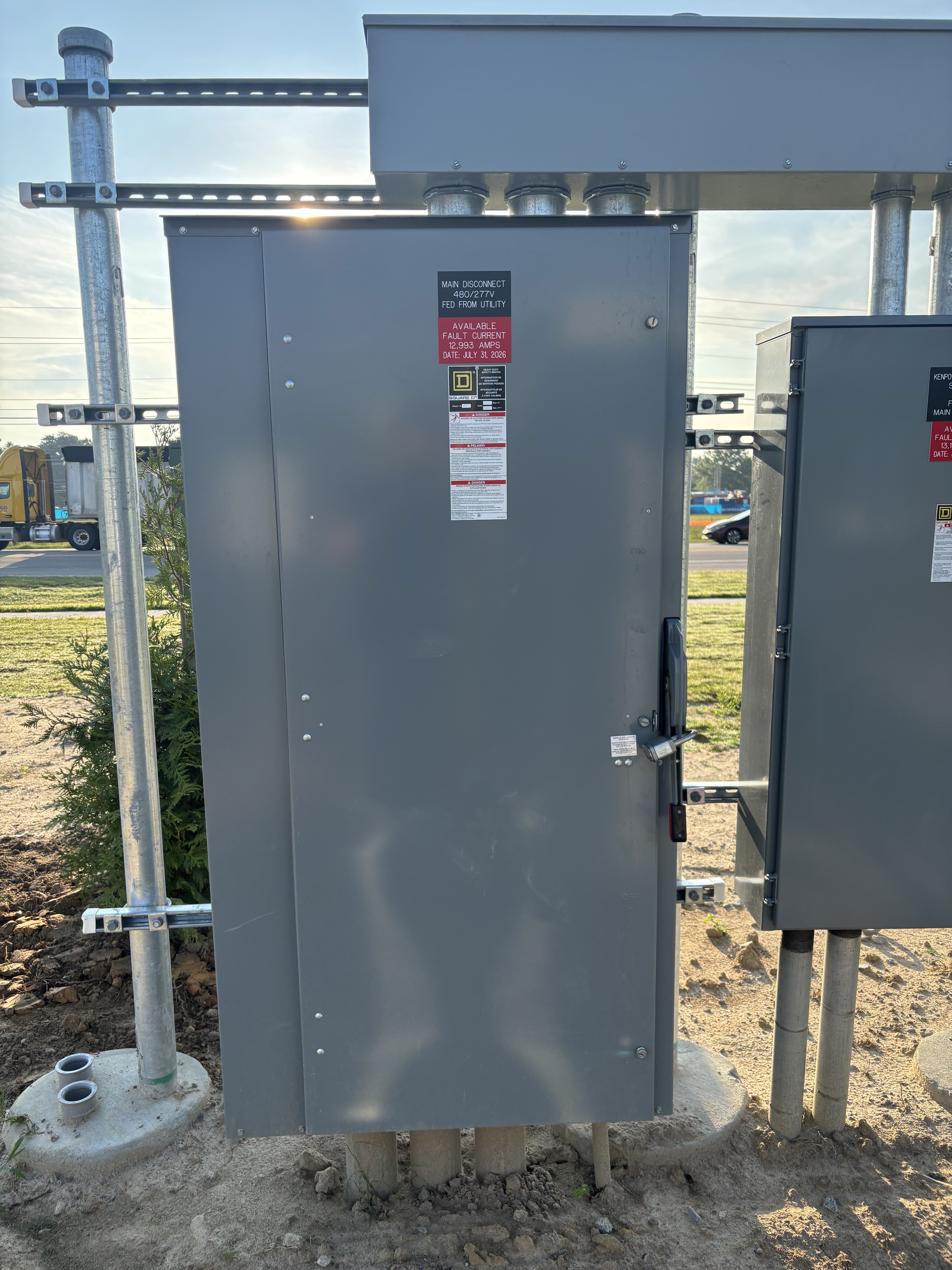
utility,
networking,
software,
maintenance, and
accessibility.
Hardware
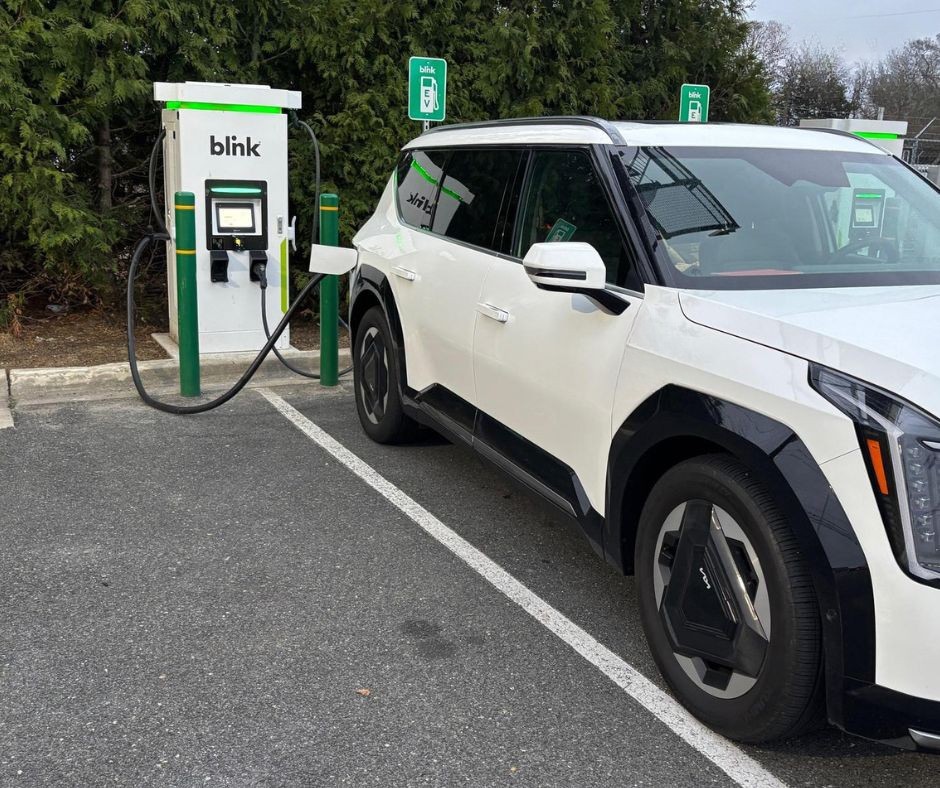
EV charging hardware is the actual EV chargers themselves. Level 2 chargers, like the Blink Shasta, naturally cost less than DCFCs like the Blink DC Distributed System. The hardware that is right for your project will depend on factors such as your location, expected usage, and charging goals. Blink can help determine the best charging solution based on your site's specific requirements.
The Department of Energy’s Alternative Fuels Data Center (AFDC) says:
“public charger costs are approximately $3,500 per connector for Level 2 and $38,000 to $90,000 per connector for DC fast, with higher costs depending on power output.”
You can help to lower purchasing costs by participating in bulk purchasing agreements with other buyers. Blink Charging is available through several cooperative purchasing contracts, which can simplify procurement for eligible organizations.
Installation
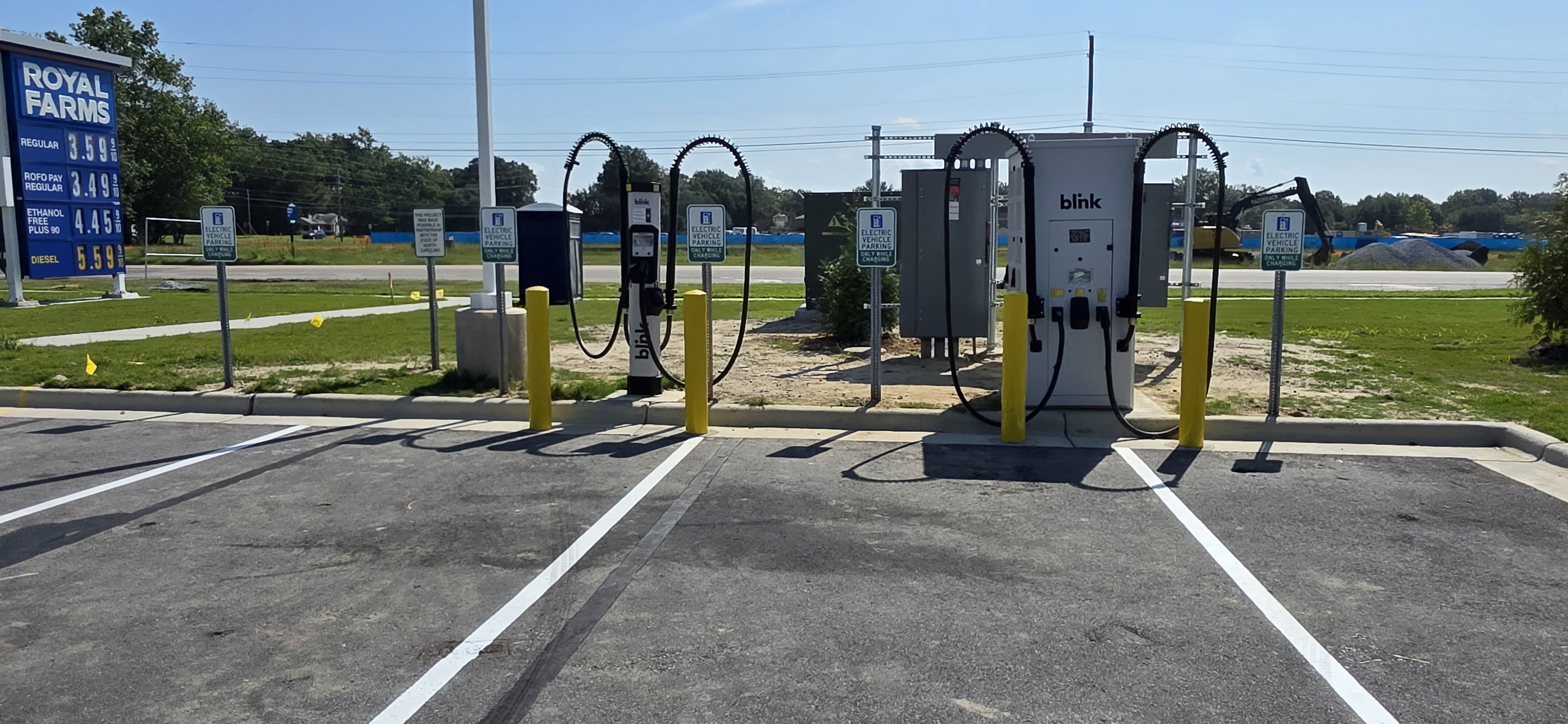
Installation is the act of making your EV chargers usable, which means hardwiring them into your electrical system and commissioning them. Installation requires wiring and conduits and may also include items like bollards, cement pads, pedestals, paving, signage, line painting, and anything else you need to do to get your EV chargers ready for use by drivers and keep them safe from accidents.
According to the AFDC, installation costs alone for public and workplace charging projects average around $2,500 per connector for Level 2 chargers and can range from $20,000 to $60,000 per connector for DCFCs. Installation costs vary depending on factors such as site conditions, location, the number of chargers installed, and power requirements.
For public charging destinations – especially ones that aim to become a local charging hub – you may want to install some amenities if none currently exist there. For public charging hubs, property owners may also want to consider driver amenities such as lighting, seating, restrooms, food, or retail access, depending on the site's location and intended use.