Skip to Main Content

ESG

Blink is committed to sustainability.Learn More
Find a station


Request A Quote

EV Charging in Rural Areas: What Drivers Need to Know

Posted 01/29/2026

Drivers sometimes worry about taking EVs beyond city limits, but rural charging access has improved dramatically. Small towns across the U.S. now host stations, and interstate highways feature reliable charging options. While gaps remain on backroads, planning ahead makes rural EV travel both practical and enjoyable.

This guide explains the state of rural charging today, the challenges you may encounter outside metro areas, and practical strategies to keep trips stress-free. You will discover the best tools for finding stations, proven tips from experienced EV drivers, and how Blink Charging is expanding access in underserved communities.

Are There EV Charging Stations in Rural Areas?

Yes, EV charging stations exist in rural areas, though options are fewer and spread farther apart than in metropolitan regions.

Federal initiatives like the National Electric Vehicle Infrastructure program allocate billions for rural and underserved areas. These programs focus on filling gaps along interstate corridors and connecting isolated communities to charging networks. Rural electric cooperatives have become key partners in this expansion, leveraging their existing infrastructure and community relationships to identify optimal station locations.

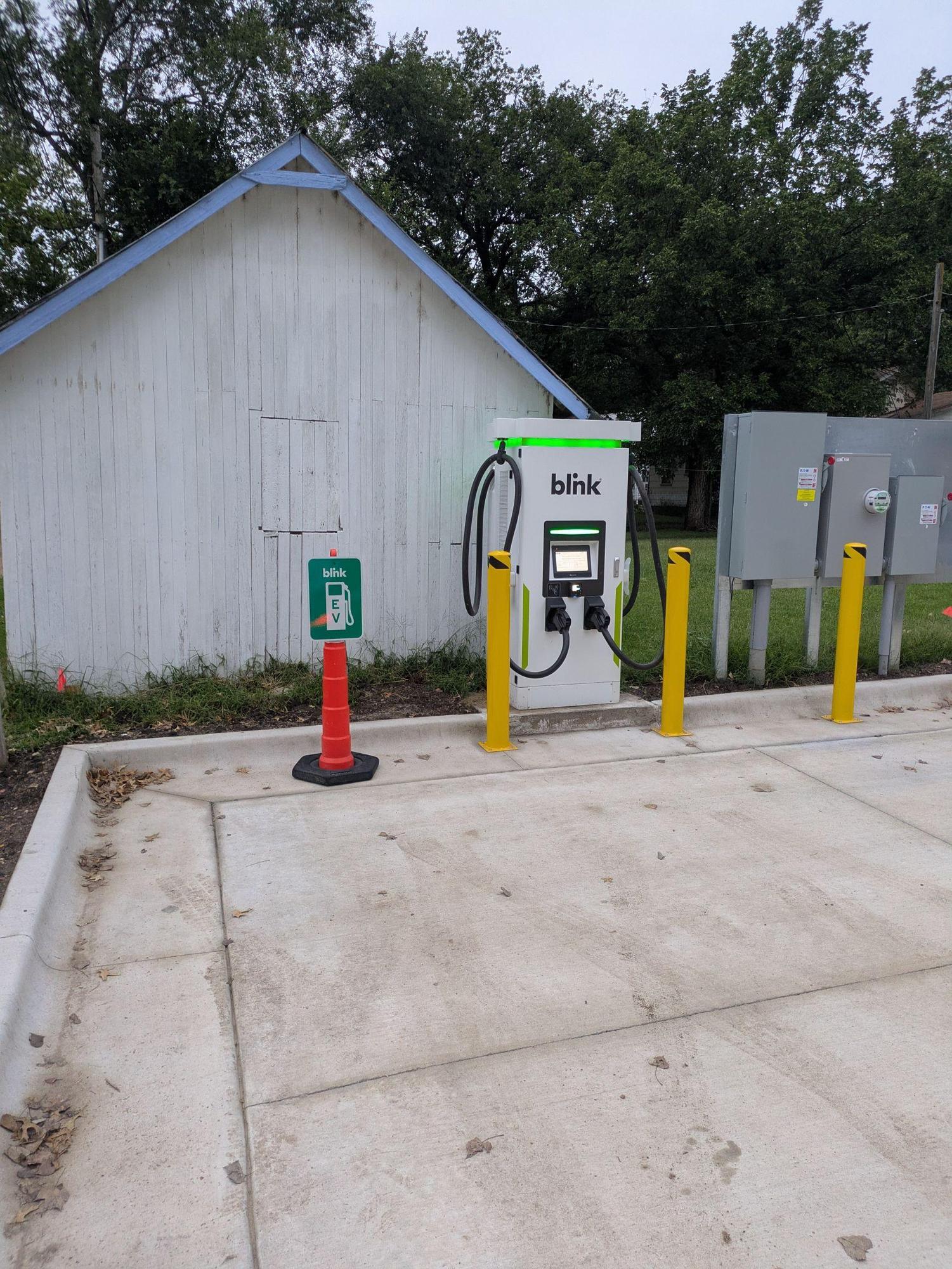
At Blink Charging, we actively participate in rural expansion through strategic partnerships with municipalities, businesses, and property owners. Our Level 2 EV Chargers provide an accessible solution for rural homes, businesses, and community sites that want reliable charging without the complexity of high-powered installations. These stations are well-suited for overnight charging at hotels, extended restaurant stops, or workplace charging for rural employees.

The rural charging landscape continues evolving as more communities recognize the economic benefits of attracting EV-driving visitors and supporting residents who choose electric vehicles.
Challenges of EV Charging in Rural Areas

EV charging infrastructure challenges in rural areas create distinct obstacles that urban drivers rarely encounter:

  • Stations can be 50 to 100 miles apart on some routes, requiring careful route planning

  • Infrastructure investment has historically favored high-traffic urban corridors, leaving many rural highways and secondary roads underserved

  • Power grid limitations in remote areas can slow new station installations

  • Winter weather and extreme temperatures can affect both charging speeds and vehicle range

These challenges are easing as technology advances and investment catches up:

  • Battery technology is extending EV range

  • Grid modernization projects are strengthening rural electrical systems

  • Innovative solutions such as solar-powered stations are making remote charging possible

  • Federal and state programs now prioritize rural access

  • Private companies see rural markets as growth opportunities

Together, these advances are turning rural charging from a challenge to an opportunity.

How to Plan EV Travel in Rural Areas

Rural travel requires more preparation than city driving, but following these steps makes trips smooth, stress-free, and helps boost your range confidence:

Route Planning

  • Map your entire route using EV-specific navigation apps that show charging station locations and real-time availability

  • Identify charging stops every 100–150 miles rather than pushing your vehicle's maximum range

  • Research backup charging options along your route in case primary stations are offline or occupied

  • Check station types and charging speeds to estimate stop duration accurately

Pre-Trip Preparation

  • Charge your vehicle to 100% before departing, giving you maximum flexibility for the first leg of your journey

  • Download offline maps and charging station information for areas with poor cell coverage

  • Pack emergency supplies, including water, snacks, and weather-appropriate gear for extended charging stops

  • Bring portable charging cables and adapters that work with different station types

Timing Considerations

  • Plan charging stops during meal times or when you want to explore local attractions

  • Allow extra time for slower charging speeds at rural stations, which may not offer the fastest DC options

  • Consider seasonal factors like cold weather that can reduce both range and charging efficiency

  • Build buffer time into your schedule for unexpected delays or detours

Smart planning transforms rural EV travel from a source of anxiety into an opportunity to discover new places while your vehicle charges.

What Apps or Tools Help Find Rural Charging Stations?

Several mobile apps and online tools specialize in locating EV charging stations in rural and remote areas.

  • Blink Charging Station Locator - Real-time availability and station details across our growing rural network

  • PlugShare - Community-driven reviews and photos of rural stations, including reliability reports

  • Google Maps - Integrates charging stations into route planning with basic availability information

  • Roaming-Enabled Charging Apps – Allow drivers to locate and, in many cases, access charging stations across multiple networks using a single app, expanding coverage in rural areas (Learn more about how EV roaming expands charging access)

Most EV navigation systems also include built-in charging station databases, though third-party apps often provide more current information and user feedback about rural locations.

How Far Can You Drive Between Charges in Rural Areas?

Many modern EVs can travel 200–300 miles on a full charge, but in rural areas it is smart to plan stops every 100–150 miles to maintain a buffer. Charging infrastructure may be spaced farther apart, and some locations only offer Level 2 charging.

Level 2 charging can take several hours depending on your vehicle, while DC fast charging can significantly reduce stop time. However, actual charging speed depends on your vehicle’s battery size and the maximum power it can accept. Level 2 (AC) charging and DC fast charging function differently, and while some chargers are capable of higher output, your vehicle ultimately determines how much power it can receive.

Even at a high-powered DC fast charger, charging may occur more slowly if your vehicle is limited to a lower intake rate, which is why charging speeds can vary between vehicles at the same station.

Understanding Charging Expectations

Charging performance in rural areas depends on several factors beyond station availability:

  • Charging speed depends on both the charger and your vehicle’s maximum acceptance rate

  • Plug-in hybrid electric vehicles (PHEVs) typically rely on Level 2 charging and are not compatible with DC fast charging

  • Extreme temperatures can reduce range and increase charging time

Understanding these variables helps drivers plan rural trips with greater confidence and fewer surprises.

Best Practices for Rural EV Charging

Rural charging is no longer uncertain, but it does require a plan. At Blink, we recommend these proven strategies to make sure every mile, no matter how remote, fits seamlessly into your journey.

Maximize Overnight Charging

Charge to 100% at home before any rural trip to maximize flexibility. When staying overnight in rural areas, book hotels that offer charging or bring a portable Level 2 charger for standard outlets. Many rural accommodations now advertise EV charging as an amenity because they know it attracts guests.

Partner With Rural Businesses

Rural restaurants, grocery stores, and visitor centers increasingly offer charging stations to attract customers. These locations work well for meal stops or shopping breaks while your vehicle charges. Call ahead to confirm availability and ask about charging etiquette. Some businesses prefer you move your car once charging is complete.

Plan Around Weather Conditions

Cold weather can reduce driving range and slow charging due to increased energy demand for heating. Hot summer conditions can also impact range through air conditioning use. In rural areas with limited charging options, adjusting routes and stops based on forecasts helps prevent unexpected range loss.

Monitor Station Status Before Arriving

Rural stations often receive less maintenance attention than urban locations, making real-time status checks crucial. Use apps to verify stations are operational before driving there, and always have backup locations identified. Some rural areas still have only one charging option within 50 miles.

Understand Grid Limitations

Rural grids may support slower charging speeds during peak usage or extreme weather. Even when infrastructure allows for higher output, your vehicle’s onboard charging system ultimately determines how quickly it can charge.

Prepare for Self-Sufficiency

Bringing your own charging equipment gives you more options in rural areas. Our EV Chargers include portable options that work with different outlet types you might find at rural businesses or accommodations.

While individual planning helps, the bigger story is how fast rural charging networks are expanding.

Expanding EV Access Beyond the City

EV charging in rural areas is expanding faster than many drivers expect. Local governments and cooperatives are teaming up with providers like Blink to bring stations closer to home, while businesses such as hotels, restaurants, and gas stations are adding chargers to attract customers.

At Blink, we are leading this growth through partnerships with municipalities, property managers, and businesses that want to support EV drivers. If you are interested in hosting chargers, Request a Quote to see what options make sense for your location.

Rural EV Travel is Possible and Getting Easier with Blink Charging

Rural EV charging has transformed from a major concern into a manageable part of trip planning. Federal investment and partnerships between charging companies like Blink and rural communities have expanded options in areas that previously had none, making what used to require detailed preparation now work with simple planning.

Whether you need charging solutions for your home or want to bring stations to your community, we can help. Our Level 2 EV Chargers and DC Fast Chargers provide reliable options for different situations, Shop EV Products offers home equipment for more flexibility, and communities can Request a Quote to explore hosting stations. The open road is electric, and Blink is powering every mile.

Do you drive electric? Download the Blink Charging app today to start charging with Blink.

Are you a business or government that wants to attract more EV drivers to your property or community? Contact Blink Charging today to speak with an EV charging expert.

Share this post