
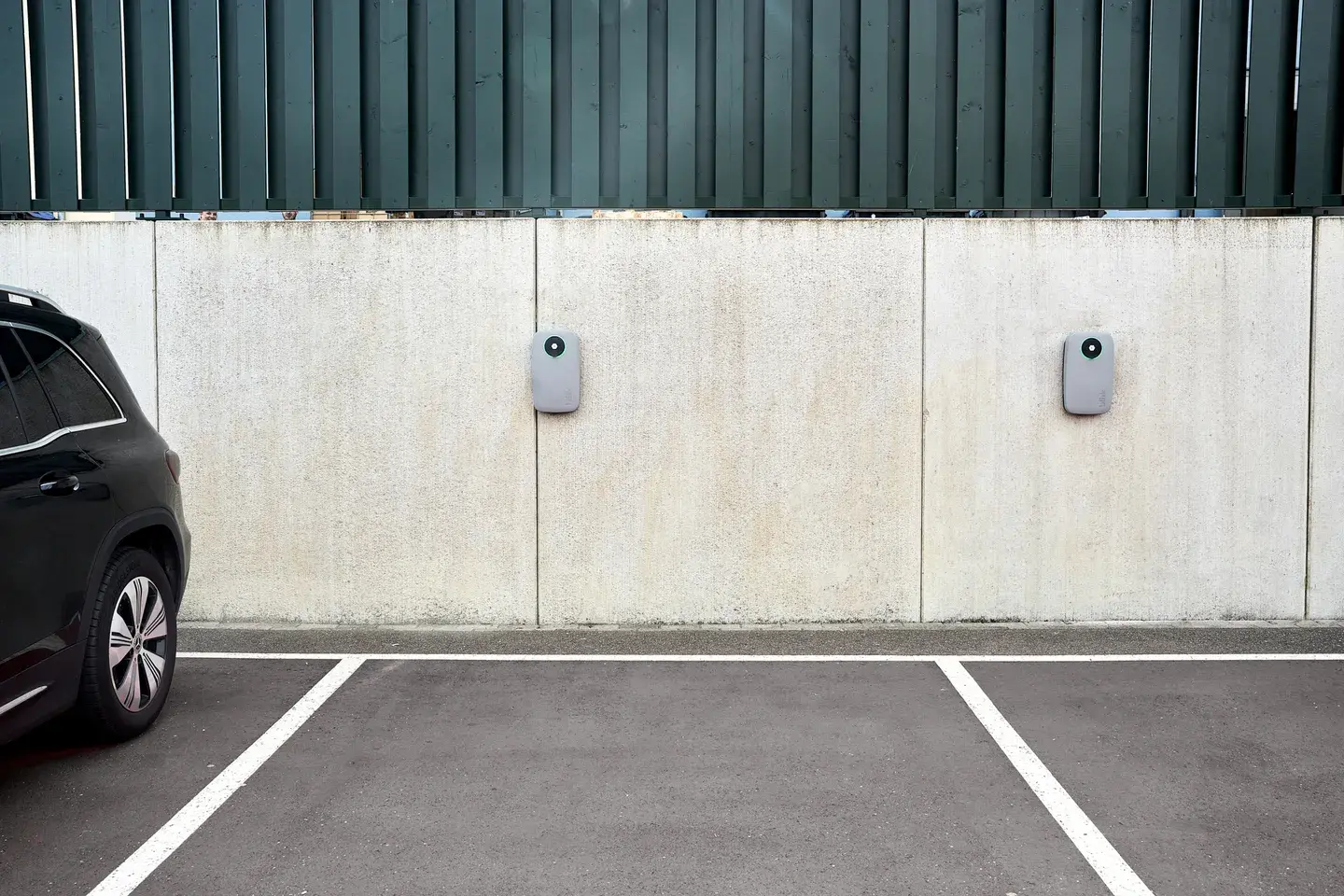
Most conversations about EV charging stop at installation. The chargers go in, the ribbon is cut, and nobody thinks about them again until one stops working on a Monday morning and a driver is standing in the car park with 8% battery.
That gap matters more than it used to. A charge point is a piece of electrical infrastructure with a working life of a decade or more, sitting outdoors, used by people who did not read the manual. It needs a maintenance regime, and somebody has to own it. This guide covers what that regime looks like, what it costs, who is responsible under each ownership model, and what the rules now require if your chargers are open to the public.
What EV charger maintenance actually involves
Charge point maintenance splits into three kinds of work.
Planned preventive maintenance is the scheduled visit. It covers inspection of the enclosure, connectors, cables and mounting; electrical testing of the supply, protective devices and earthing arrangements; checks on cooling systems and power electronics on DC units; verification that the unit communicates correctly with its back office; and cleaning and physical checks on bay markings and signage.
Remote monitoring and diagnostics is the work you never see. A networked charger reports its own status continuously. Faults surface as alerts before a driver reports them, and a meaningful share can be cleared remotely with a reset or a firmware push without anyone visiting the site. This is the single biggest difference between a modern managed charger and an unmanaged one, and it is why network connectivity is worth paying for on any site with more than a couple of bays.
Reactive repair is the engineer visit when something has physically failed: a damaged connector, a vandalised cable, a failed contactor, water ingress. Response time is the thing to negotiate here, not price.
The electrical testing point people miss
Charge points are covered by the same wiring regulations as the rest of your electrical installation, and they sit in one of its more demanding categories. Periodic inspection and testing is not optional, and the interval should be set by a competent person based on the installation and its environment. Public and heavily used commercial installations warrant more frequent inspection than a two-socket staff car park.
If you have chargers on site and cannot say when they were last tested, that is the first thing to fix.
Who is responsible for EV charger maintenance?
This is where most site owners get caught out, and the honest answer is that it depends entirely on how the chargers were procured.
You bought and own the chargers. You are responsible for everything: preventive maintenance, repair, replacement parts, network fees and compliance. The manufacturer warranty covers defects for a defined period, typically one to three years, and it covers manufacturing faults rather than wear, damage or misuse. When the warranty ends, the whole cost sits with you.
You bought them with a maintenance contract. You have transferred the labour and response obligation to a third party, usually with a defined service level. Read what is included. Contracts that exclude parts, exclude vandalism, or promise a response within five working days are common and are not what most sites think they are buying.
The chargers are owned and operated by a charge point operator. Under a fully funded or host model, the operator owns the asset and carries the maintenance obligation for its life. The site provides the space and the power connection, the operator provides the hardware, installation, network, maintenance and repair, and revenue is shared. Nothing lands on the site's facilities budget.
That third model is what Blink offers across workplaces, car parks, fleet depots and residential buildings. It is worth understanding the distinction before you compare quotes, because an owned installation and a hosted one are not the same purchase, and comparing them on capital cost alone is misleading. Our guide to commercial EV charger installation costs sets out how the two models compare across a full asset life.
What the regulations require
If your chargepoints are publicly accessible, the Public Charge Point Regulations 2023 apply and they are specific.
Reliability. Rapid chargepoints of 50kW and above must achieve 99% reliability, measured as an average across each operator's rapid network over the calendar year. Operators must publish their compliance on their website and report annually, with reports due by 14 January for the preceding calendar year.
A 24 hour helpline. Operators must provide a free to use, staffed telephone helpline available 24 hours a day, 365 days a year, and report on it quarterly.
Payment and pricing. New chargepoints of 8kW and above deployed since 24 November 2024 must accept contactless payment, as must existing chargepoints of 50kW and above. The maximum price of a charging session must be displayed clearly in pence per kilowatt hour.
The reliability requirement is the one with teeth. A 99% annual average across a rapid network leaves very little room for a unit sitting broken for a fortnight waiting on a part. It changes maintenance from a facilities nicety into a compliance obligation, and it is a strong argument for hosting rather than owning if public access is part of your plan.
Private workplace and depot chargers are outside these rules. That does not make downtime free. A depot charger that fails overnight means a van that does not leave in the morning.
What uptime should you expect, and how is it measured?
Uptime is the percentage of time a charge point is available to charge a vehicle. The detail is in what gets excluded. Most operators exclude planned maintenance, faults on the incoming electricity supply, and damage caused by third parties. Those exclusions are reasonable, but they mean two operators quoting the same headline percentage may be promising different things.
When you compare, ask four questions.
Is uptime measured per charge point or averaged across a network?
What is excluded from the calculation?
What is the target response time for an on-site visit, in hours rather than working days?
Are parts included, or quoted separately when something fails?
A slightly lower headline figure with parts included and a 24 hour response beats a higher one measured across a national network with a five day response.