
Skip to Main Content

ESG

Blink is committed to sustainability.Learn More

How Long Does It Take to Charge an Electric Car?

Posted 03/18/2026

If you are new to EVs, one of the first questions people ask is, “How long does it take to charge an electric vehicle?" Depending on the type of charger, the model you drive, and the size of its battery, charging can take as little as 30 minutes or as long as 24 hours.

Understanding charging time is key to planning daily routines, road trips, and the overall EV ownership experience. This article breaks down what really shapes charging time, from the differences between Level 1, Level 2, and DC fast charging to the role of battery size and state of charge. Along the way, we will share real-world examples so you know what to expect in practice. And if you want a quick estimate tailored to your own vehicle, Blink’s EV Charging Time Calculator can do the math for you.

What Factors Affect How Long It Takes to Charge an EV?

Charging time is shaped by four main variables: battery size, state of charge, charger type, and external conditions. Each one influences the overall charging time for an electric car, from quick top-ups to longer full sessions.

  • Battery size: A vehicle with a 100 kWh battery can take more than twice as long to charge as a model with a 40 kWh pack when using the same charger, simply because there is more capacity to fill.

  • State of charge: Charging from 20 to 80 percent is significantly faster than going from 0 to 100 percent. Most EVs charge at their peak rate in the middle range and automatically slow the current near full to protect battery health.

  • Charger type and onboard limits: Level 1 outlets add only a few miles of range per hour. Level 2 stations typically deliver 6–19 kW, while DC fast chargers can provide 50 kW or more. Even so, your car’s onboard system caps how much of that power it can accept.

  • External conditions: Temperature and battery age affect charging speed. Lithium-ion batteries charge most efficiently at moderate temperatures; extreme cold or heat forces the system to throttle energy intake. Older batteries may also take longer because of reduced capacity.

These variables show why charge times for electric cars can differ so much between models and situations.

How Long Does It Take to Charge an Electric Car at Different Charging Levels?

The biggest factor in how long it takes to charge an electric car is the charging level, which determines how much power can flow into the battery at once.

Level 1 Charging (Standard Outlet)

Level 1 charging through a household outlet is the slowest option and can take up to 24 hours for a full charge. Because of these limits, it is mainly used for emergencies or plug-in hybrids, while Blink emphasizes faster and more practical solutions.

Level 2 Charging (Home and Public Stations)

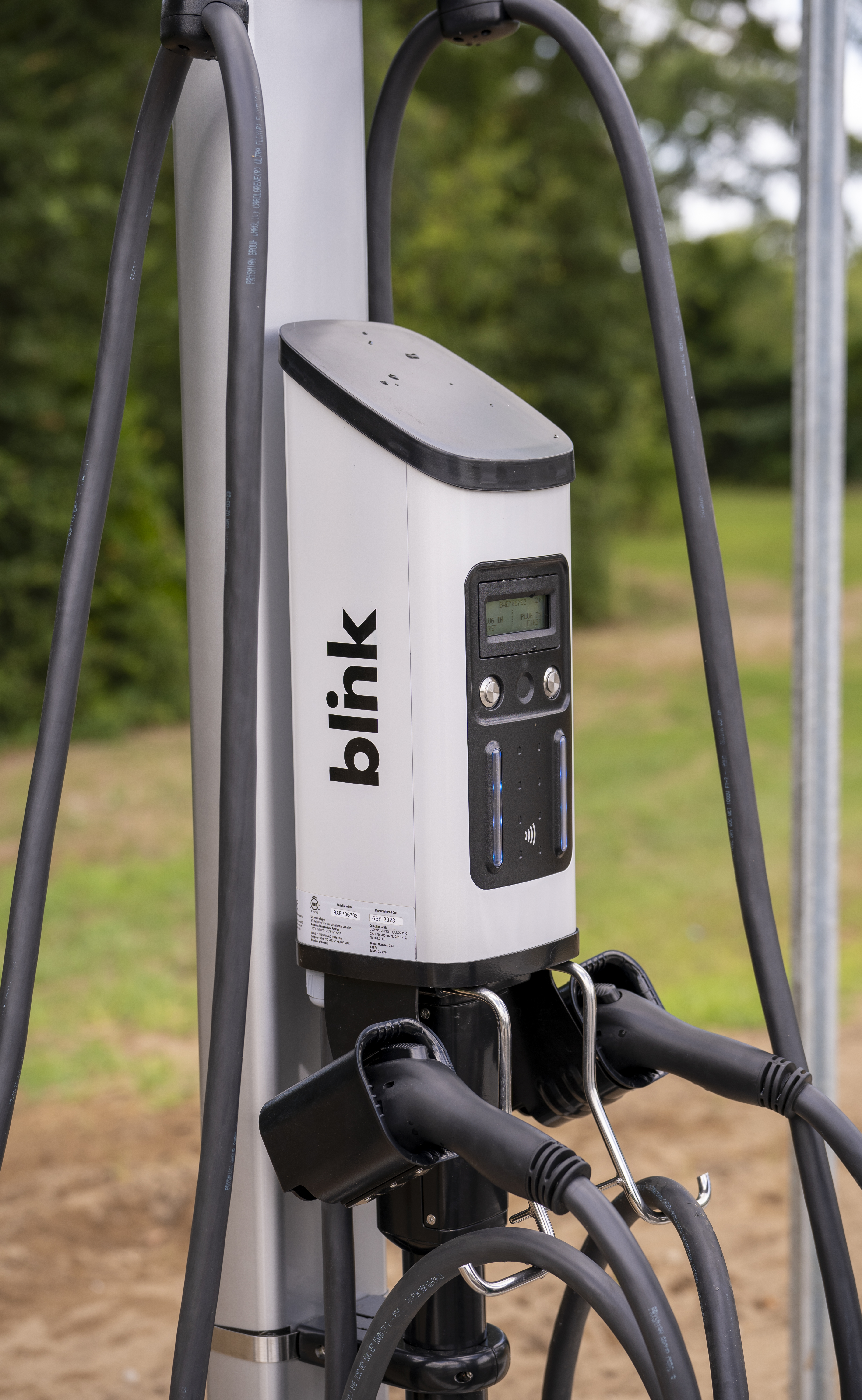
For most drivers, the average time to charge an electric car on Level 2 equipment is between 4 and 10 hours, depending on the model and battery size. This makes them ideal for overnight use at home or for drivers who can plug in at work during the day. Blink offers a range of Level 2 EV Chargers designed for both residential and commercial use.

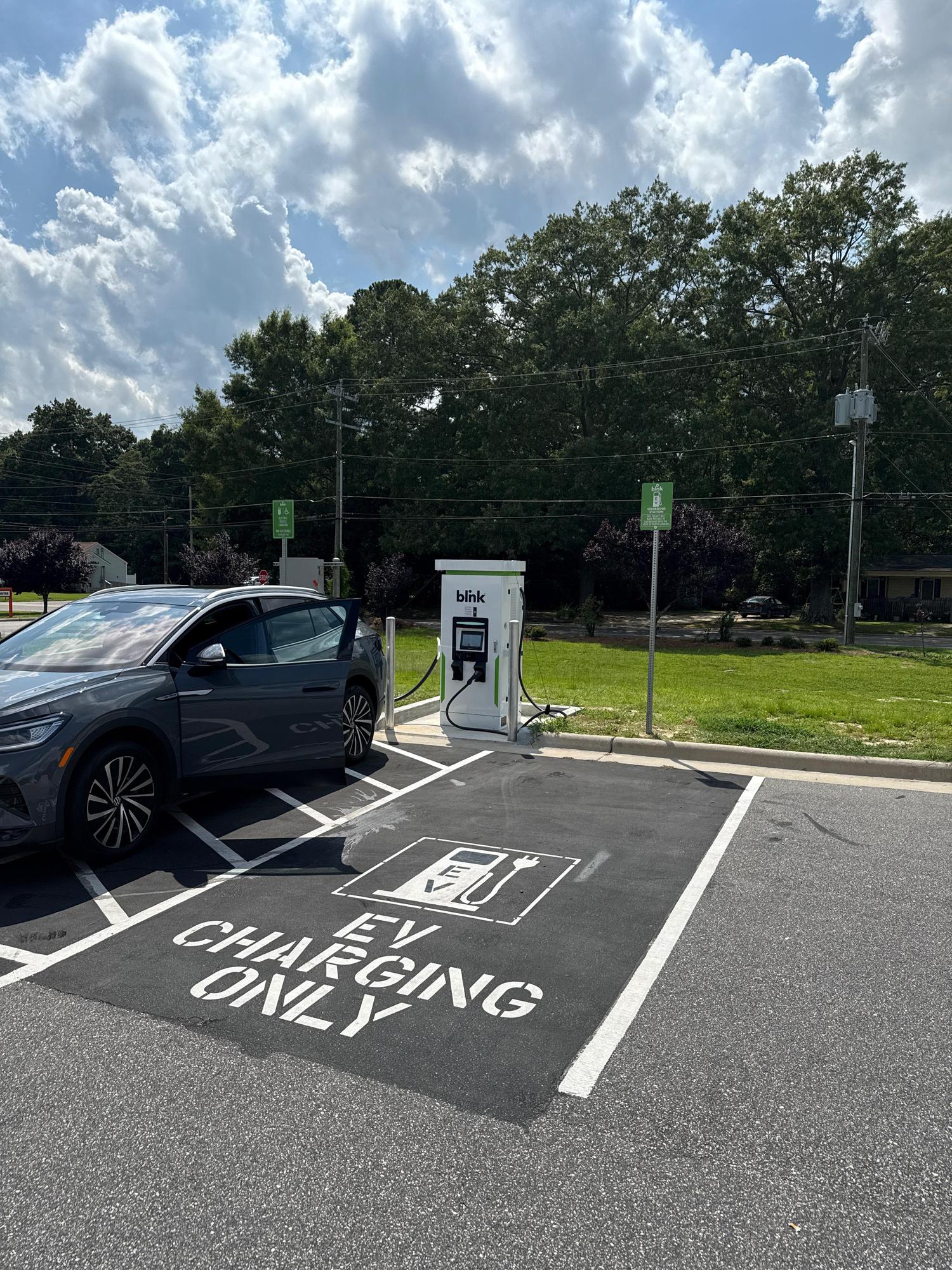
DC Fast Charging (Public Fast Chargers)

With DC fast chargers, electric car recharge time can drop to about 30 minutes for an 80 percent charge.

This option is best suited for long trips or vehicles that are in constant use, such as rideshare or fleet operations. Drivers can find Blink DC Fast Chargers along major travel corridors and at high-traffic locations.
How Much Range Do You Get per Hour of Charging?

Charging speed translates directly into miles of range, which makes it easier to see how each level fits into daily life. With a Level 2 charger, you typically gain 20 to 30 miles of driving range every hour. Plug into a DC fast charger and you can add 100 miles or more in the same amount of time.

That difference is what makes Level 2 ideal for overnight or workplace charging, while DC fast charging is built for longer trips or vehicles that need to stay in motion. Knowing how many miles you can recover per hour helps you plan commutes, errands, and road travel with confidence.

Why Does the Last 20% Take Longer to Charge?

EVs charge quickly up to about 80 percent, then slow down as the system reduces power to protect the battery and extend its lifespan.

This process is called the charging curve. At lower states of charge, the battery can safely accept high power. As it nears full, the onboard system tapers the flow to prevent overheating and long-term damage. That is why the jump from 80 to 100 percent often takes as long as the earlier part of the session.

The experience is similar to charging a smartphone. The battery fills rapidly at first, then slows near the top to keep it healthy over time. EVs use the same approach, ensuring drivers get strong performance and longer battery life.

Top-Up Charging Explained

Top-up charging means plugging in for short, frequent sessions instead of waiting for the battery to run low before recharging.

These quick boosts reduce the need for long charging sessions and keep the battery in its most efficient range, which helps preserve long-term health. Contrary to some misconceptions, regular top-up charging does not harm modern EV batteries. In fact, it can help maintain optimal performance over time. Many EV drivers find top-up charging fits naturally into daily life, whether they are parked at work, shopping, or relaxing at home.

By treating charging as a routine habit rather than an occasional chore, you spend less time waiting and more time driving.

How to Estimate Your Own Charging Time

Want a quick, personalized estimate? Blink’s EV Charging Time Calculator gives you an instant answer based on your specific vehicle and charger. 

Simply enter your details, and the tool shows exactly how long a session will take. If you also want to plan around costs, Blink’s EV Charging Cost Calculator gives you a clear estimate of charging expenses alongside your time planning.

Real-World Charging Scenarios

Your charging needs change depending on how you drive, whether that means daily commutes, cross-country trips, or keeping a fleet on the road.

  • Daily drivers: Level 2 charging is the most practical choice for everyday use. Plugging in at home overnight or during the workday easily restores enough range to cover commutes and errands without extra stops.

  • Road trips: DC fast charging keeps drivers on the move by adding hundreds of miles in under an hour. Stopping briefly at service centers or businesses along the route makes long-distance travel efficient and predictable.

Fleets and workplaces: Businesses with multiple vehicles rely on faster solutions to keep operations running. Level 2 chargers support vehicles parked for extended periods, while DC fast charging ensures high-use fleets can quickly return to service.

Get the Right Charge, Faster with Blink Charging

Charging times will always vary, but finding the right solution should feel simple. Blink gives you options that match the way you drive, from overnight charging at home to fast charging when you are on the move.

See our Level 2 EV Chargers for everyday use or explore DC Fast Chargers when speed matters most. You can also shop EV products or request a quote to get started.


Do you drive electric? Download the Blink Charging app today to start charging with Blink.

Are you a business or government that wants to attract more EV drivers to your property or community? Contact Blink Charging today to speak with an EV charging expert.

Share this post