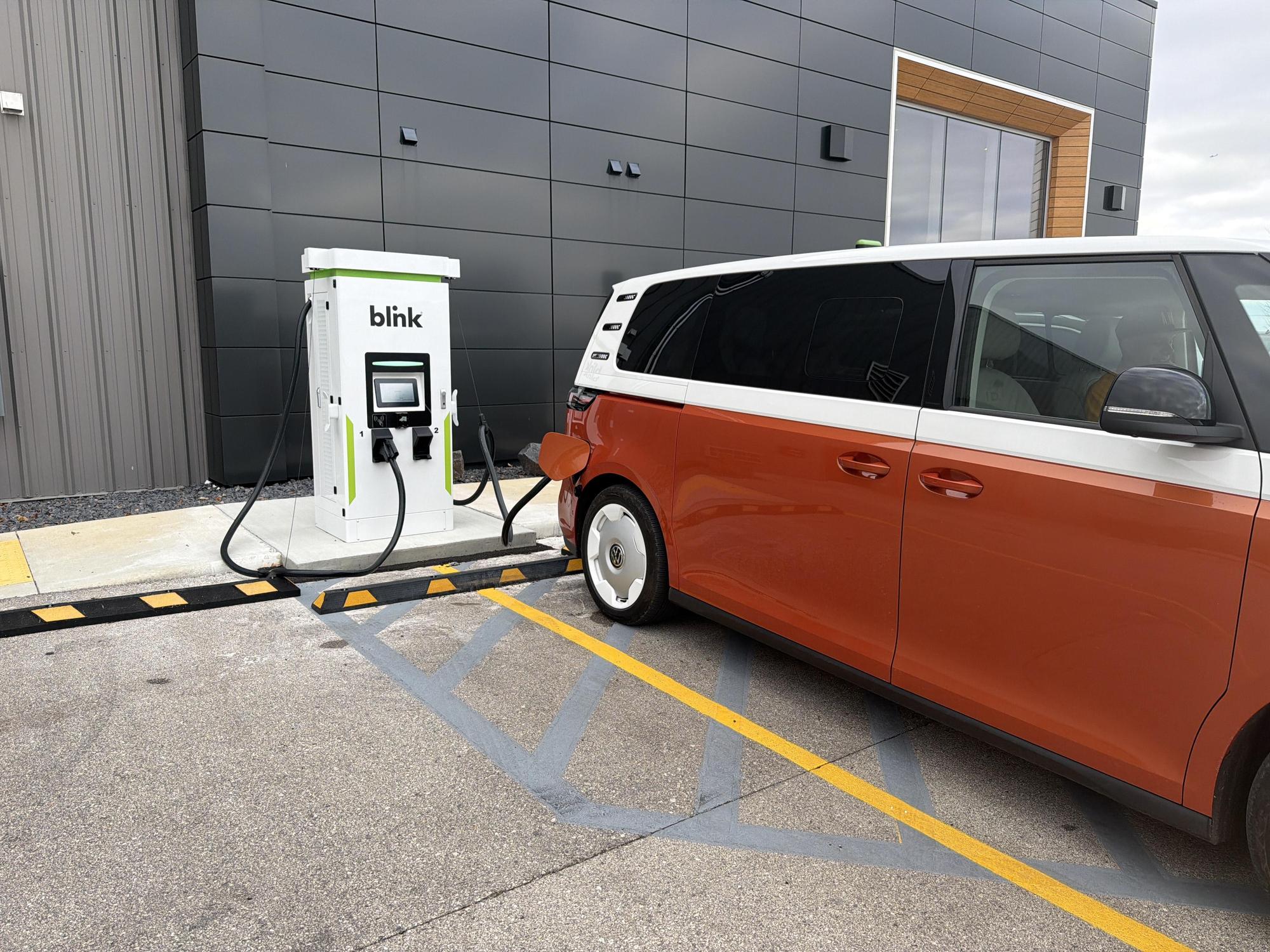
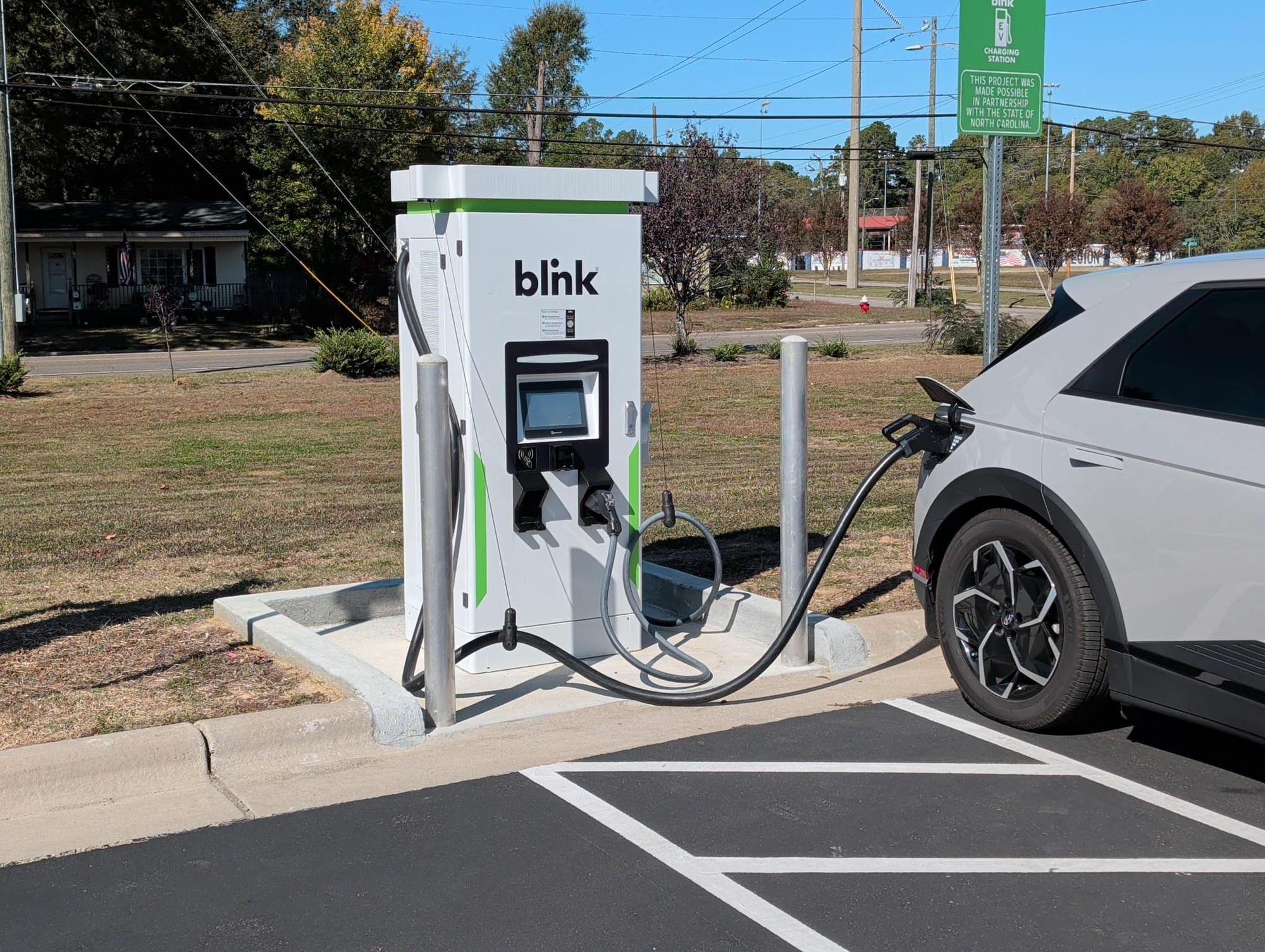
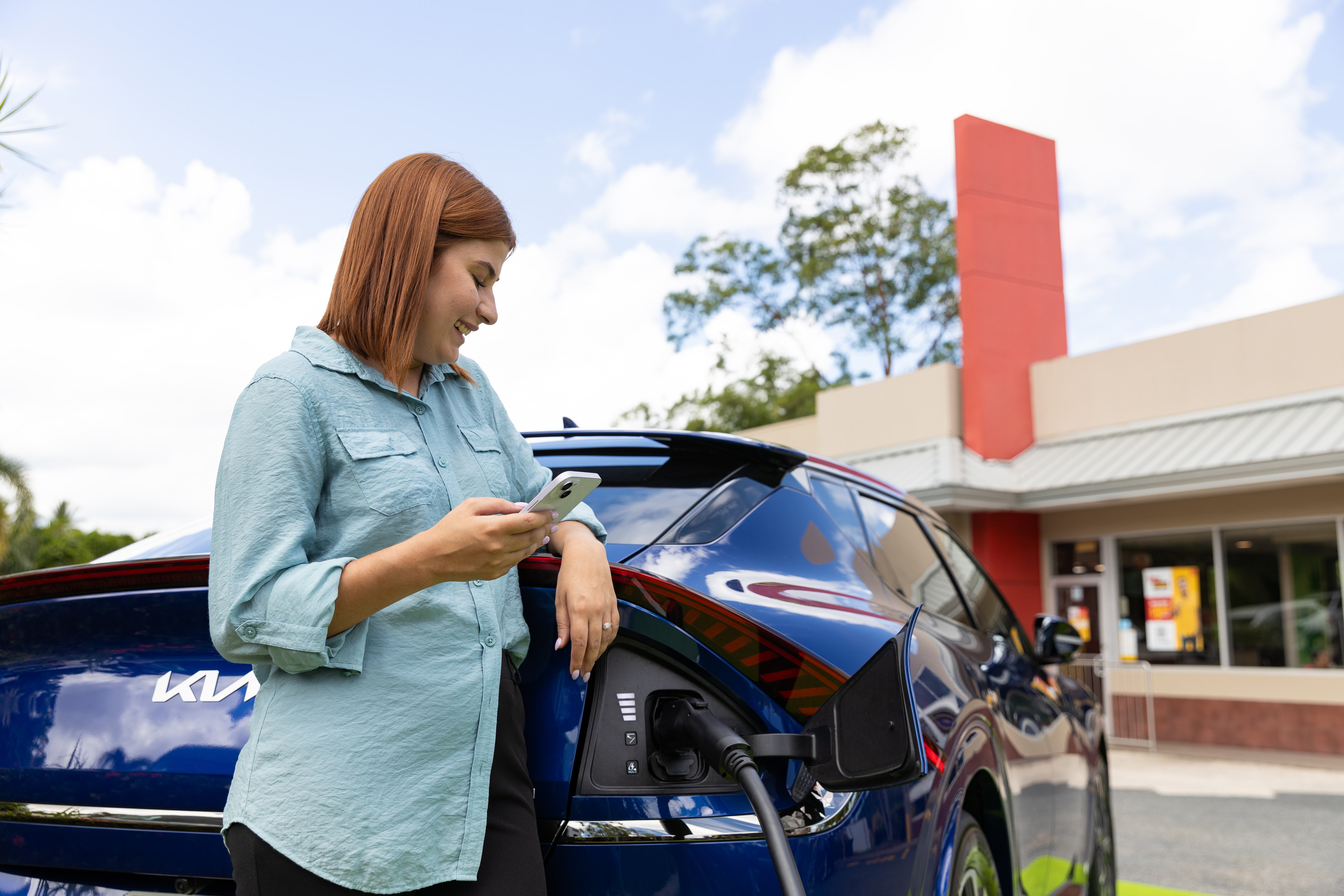
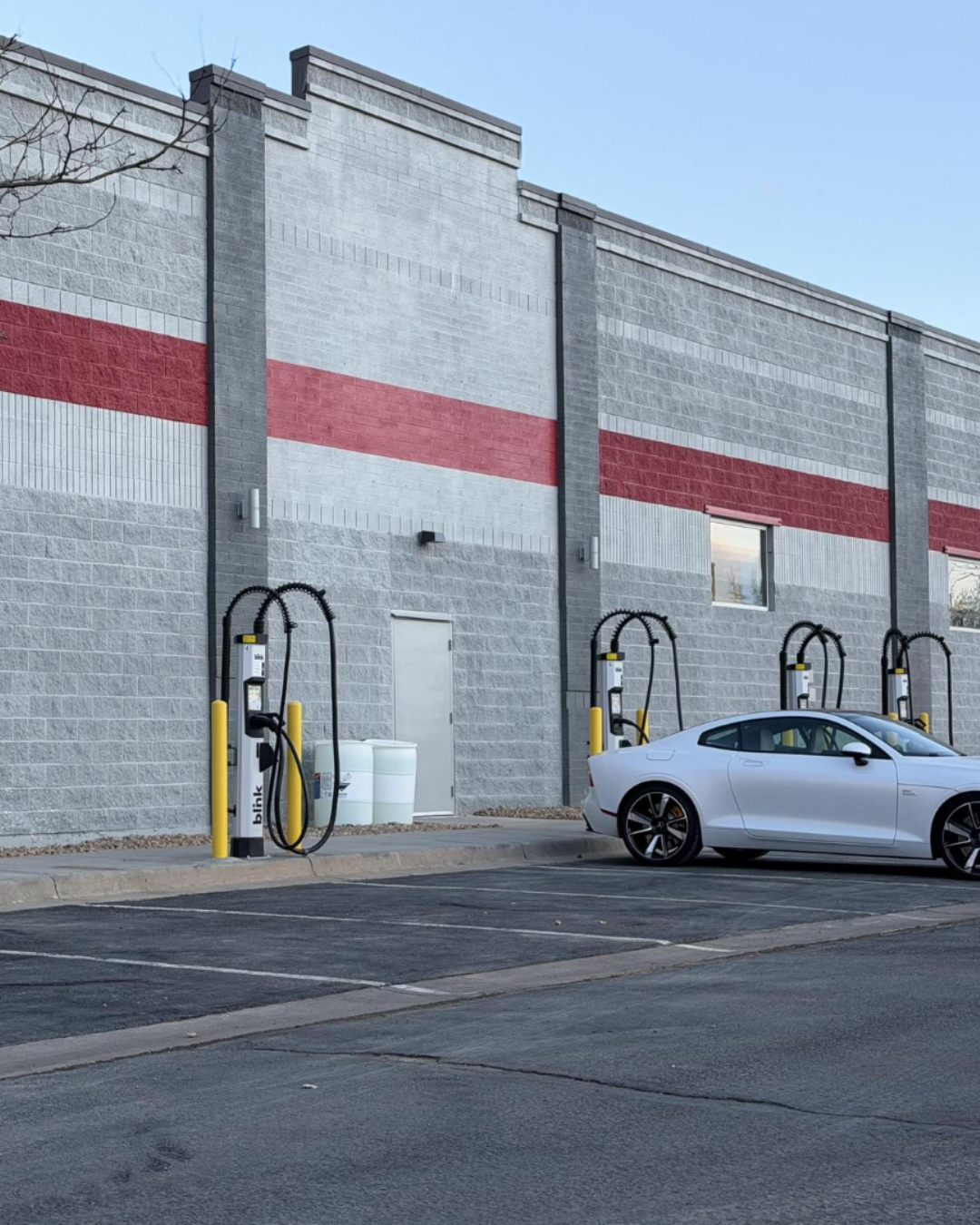
While a Level 1 charger can take up to 12 hours or possibly even more to charge a vehicle, an L2 charger only takes a few hours and a DCFC takes less than an hour. Public charging is obviously a driver’s only option if they go on a long road trip, as well. Gas stations are fairly ubiquitous and drivers are almost always within easy reach of them. On the other hand, the same cannot yet be said for EV charging stations, hence why existing gas stations and highway rest stops are the top two choices for Americans when it comes to public places they would like to see more EV charging infrastructure.
When EV drivers have access to both home and workplace charging, they still choose to use public chargers 20% of the time. If they only have access to workplace charging, they opt to use public charging 40% of the time.
EV charging for everyone
While most public EV chargers are located in cities, there is still a need for more in highly urbanized areas because of the prevalence of renters who may not have access to charging at home. If they don’t have charging stations available at work, these drivers are forced to utilize public charging stations, which can often be busy or potentially inoperable. For these drivers, installing more publicly available charging stations in densely populated cities is imperative.
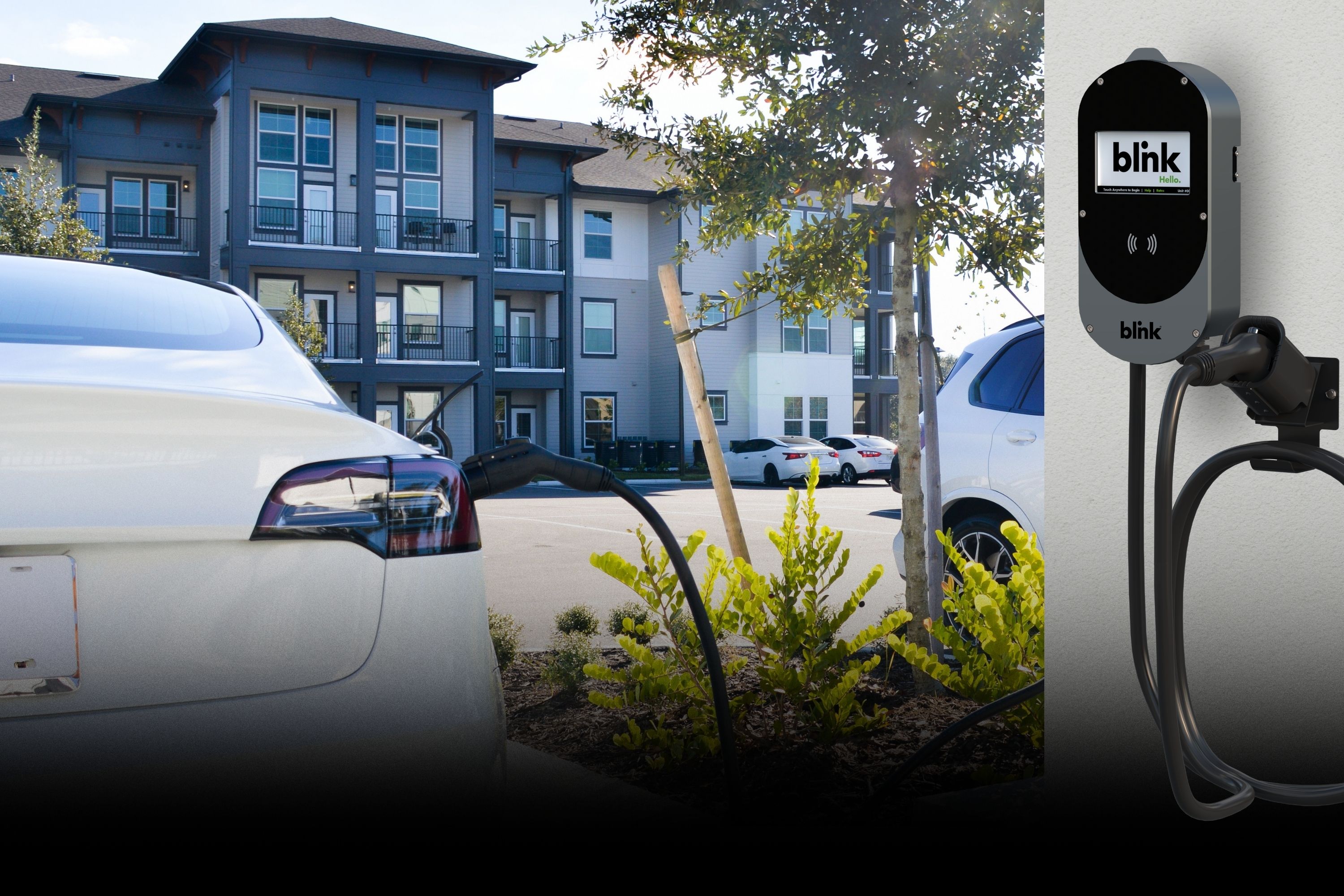
And while they are not public spaces, multifamily residential units are one of the most important places to install EV charging infrastructure. In fact, it’s so important that many states and local municipalities have now enacted building codes for new developments to ensure they are built with EV charging installed during the construction process.
Getting started with EV charging installation
For any commercial, publicly-administered, or multifamily property wanting to install EV charging infrastructure, the best way to get started is to connect with your local utility provider and an EV charging specialist like Blink Charging.
We can set up an EV charging site assessment for your property to ascertain the best locations for EV charging stations and which type of chargers would benefit your location most.
Your utility provider will be able to tell you if your property is going to require any electrical upgrades to accommodate the EV charging infrastructure you want to install. Older buildings may require electrical upgrades for L2 chargers, but more modern buildings likely won’t. Installing DCFCs often requires electrical upgrades for any type of property.
Funding
Currently, there are many government grants and utility rebate programs that can help you fund your EV charging installation. At Blink Charging, we have representatives in all regions of the United States who are well versed in all the available funding for the region they cover. This means we can help you locate funding opportunities and even help you with funding application best practices (although we cannot fill out funding applications on behalf of clients).
To get a head start and conduct your own research about funding opportunities in your region, you may use the Blink Commercial Incentives Finder. With a few key items of information, it will tell you any funding programs you are eligible for. As new ones are popping up all the time, it is always worth it to speak to a Blink Charging regional representative to ensure you are getting the clearest funding picture.
Business models
Blink Charging has four different business models that we offer for clients, which may also help you with the affordability of EV charging infrastructure installation. For the right locations, we offer turnkey solutions that require no upfront costs from the site hosts.
The available Blink business models are:
Host Owned
Host Owned Finance
Blink Owned Hybrid
Blink Owned (DCFC only)
You can see details about who pays for what in each model in the chart below.
| Host Owned | Host Owned Finance | Blink Owned Hybrid | Blink Owned (DCFC Only) |
|---|
| Equipment Cost | Host | Host (over 12-60 month term) | Blink | Blink |
| Charger Installation | Host | Host | Blink/Host (site preparation) | Blink |
| Electricity | Host | Host | Host | Host |
| Maintenance | Host | Host | Blink | Blink |
| Network Connectivity Fee | $20/$40 per port | $20/$40 per port | $20/$40 per port | $40 per port |
| Charging Revenue Share | Host | Host | Host/Blink | Blink |
Opportunities abound
For forward-thinking commercial property owners, multifamily housing developers, and administrators of public land, the opportunities for revenue generation via EV charging – along with the opportunity to help grow the EV charging network across the nation – are numerous.
As the BCG researchers have pointed out: “Thus far, there is a big vacuum to fill. Currently, only a tiny percentage of charger capacity worldwide comes from public facilities, although that number is growing. Clearly, the market for charging stations will grow dynamically, but opportunities for the public and private sectors will only be realized by quickly understanding what consumers want and delivering it to them on time.”
At Blink Charging, it is our job to help property owners and government administrators choose the best options for their specific EV charging needs. To speak with an EV charging expert in your region of the country, please call 1-888-998-2546 today.